
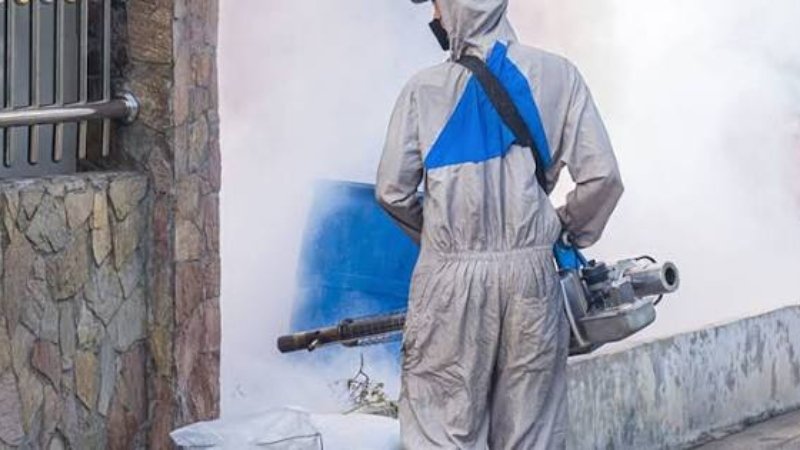
A workplace might look clean and well-maintained, but that doesn’t necessarily mean the air is safe to breathe. Some of the most serious occupational hazards are difficult to spot, especially when they involve microscopic particles, gases, or chemical vapours.
From manufacturing facilities to vehicle workshops, everyday activities can release substances that affect employees’ respiratory health. Repeated exposure may contribute to long-term illnesses, sometimes without obvious symptoms developing immediately.
Understanding where these hazards originate is an important part of creating a safer working environment.
- Fine Dust From Everyday Materials
Dust might seem like little more than a housekeeping problem, but certain types can pose significant health risks.
Woodworking, construction, and manufacturing processes can release fine particles that remain suspended in the air long after the work has finished.
Some particles are small enough to reach deep into the lungs when inhaled. Exposure to substances such as respirable crystalline silica can contribute to serious respiratory conditions.
Simply sweeping visible dust away isn’t enough. Businesses need appropriate controls that prevent hazardous particles from spreading through the workplace.
- Welding Fumes and Metal Particles
Welding is essential in many industrial environments, but it can produce hazardous airborne fumes.
These fumes contain extremely small particles generated when metals and other materials are heated to high temperatures.
Because the particles aren’t always individually visible, workers may underestimate their exposure.
Effective extraction systems can help capture fumes close to where they’re produced, reducing the amount that reaches employees’ breathing zones.
Businesses experiencing problems with existing extraction equipment may benefit from professional LEV consultancy to assess system performance, identify weaknesses and recommend suitable improvements.
- Chemical Vapours From Cleaning and Manufacturing
Many workplaces use chemicals for cleaning, coating, painting or manufacturing processes.
Certain solvents and other substances release vapours that can irritate the eyes, skin and respiratory system. Depending on the chemical and exposure level, more serious health effects may also occur.
An important consideration is that not every hazardous vapour has a noticeable smell.
Employers should assess the substances being used, review safety data sheets and introduce suitable measures to control exposure.
- Exhaust Fumes in Enclosed Workspaces
Vehicle workshops, warehouses and loading areas can experience air quality problems when engines operate indoors.
Diesel exhaust contains gases and fine particles that can be harmful when inhaled.
Even occasional engine use can create concerns in poorly ventilated spaces, especially when vehicles remain stationary with their engines running.
Dedicated exhaust extraction, suitable ventilation, and avoiding unnecessary engine idling can help reduce exposure.
- Airborne Contaminants From Food Production
Food manufacturing might not immediately seem like a high-risk environment for airborne hazards.
However, ingredients such as flour can create fine dust during mixing, pouring, and processing.
Repeated exposure to flour dust can contribute to occupational asthma, making appropriate dust control important in bakeries and food production facilities.
Good housekeeping, enclosed processes and suitable extraction equipment can all play a role in managing these risks.
Creating a Safer Working Environment
One of the biggest challenges with airborne workplace hazards is that employees cannot always see, smell, or immediately feel their effects.
Under the UK’s Control of Substances Hazardous to Health regulations, employers must assess hazardous substances and prevent or adequately control exposure.
Regular risk assessments, effective ventilation, equipment maintenance and employee training all contribute to safer working conditions.
Protecting workplace air quality means looking beyond what is visible and recognising the hazards that everyday operations can create.