
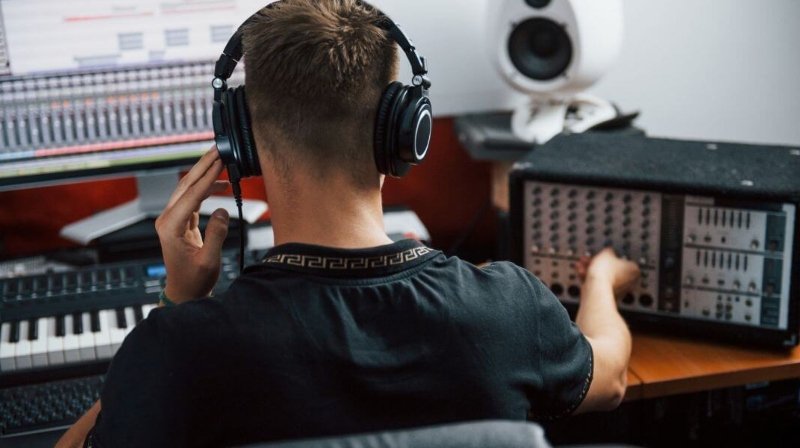
Remote production has become standard for many creative and technical teams. The ability to collaborate from different locations is no longer a luxury but a necessity. As teams adapt to this new environment, tools and technology must keep up to ensure smooth workflows.
Before remote work became widespread, production teams were often centralized. Now, many teams are spread across cities or even countries. This shift has changed how teams communicate, share files, and review projects. The right infrastructure is key to making remote production successful.
The rise of cloud-based tools and faster internet has enabled teams to work together in real time. However, with this flexibility comes new challenges, including the need for reliable connections and high-quality audio and video. These elements are now essential for maintaining productivity and keeping projects on track.
The Role of Audio and Video Quality in Collaboration
High-performance audio and video are essential for remote production teams. When production professionals communicate, clear sound and crisp visuals are vital for sharing ideas and giving feedback. Reliable remote desktop solutions for hybrid workforce make it possible for teams to access powerful machines and resources from anywhere, supporting high-quality streams and real-time work.
Without good audio, team members may miss important details or struggle to participate in discussions. Similarly, low-quality video can make it hard to spot errors in visual content or gauge reactions during creative reviews. This can lead to misunderstandings and wasted time.
Investing in better microphones, cameras, and software tools can greatly improve communication. Teams can collaborate more naturally, just as if they were in the same room. High-quality video and audio also help maintain engagement during long meetings, reducing fatigue and keeping everyone focused.
Reducing Miscommunication and Errors
Poor audio or video quality can lead to misunderstandings and mistakes. For teams working with tight deadlines, even small errors can cause delays. According to the U.S. Department of Labor, miscommunication can waste both time and resources in a business environment. Ensuring high-quality streams helps teams stay on the same page and avoid costly errors.
For example, a sound engineer might misinterpret feedback if the audio is distorted. An editor might miss a visual cue if the video lags or is pixelated. These small issues can add up, leading to repeated work and frustration.
By prioritizing high-performance audio and video, remote production teams can streamline their workflows. This reduces the chance of mistakes and helps projects move forward smoothly.
Supporting Creative Collaboration
Creative projects require constant feedback and iteration. When team members can see and hear each other clearly, they can brainstorm and review content more effectively. Studies from Stanford University have shown that high-quality video calls can improve group creativity and engagement. This is especially important for video editors, sound engineers, and designers who rely on subtle cues.
Creative professionals often rely on nonverbal cues, such as facial expressions and tone of voice, to provide feedback. High-quality audio and video make it easier to pick up on these cues. This leads to better collaboration and more innovative results.
In addition, clear communication helps teams resolve creative disagreements quickly. When everyone can contribute ideas without technical barriers, the group is more likely to find the best solutions.
Technical Requirements for Remote Production
Remote production teams often work with large files and need access to powerful software. Streaming high-resolution video and uncompressed audio requires a stable connection and robust hardware. The Federal Communications Commission (FCC) recommends higher internet speeds for activities such as video conferencing and file sharing. Technical investments in high-performance tools are crucial for keeping production on track.
Production teams must consider bandwidth, latency, and network reliability. A slow or unstable connection can disrupt meetings, slow down file transfers, and impact the quality of creative work. Investing in wired connections, high-speed internet plans, and reliable routers can make a big difference.
Hardware also matters. Powerful computers, professional microphones, and HD cameras allow team members to work efficiently. Software platforms that support real-time collaboration and secure file sharing are equally important. These investments help teams meet deadlines and deliver high-quality results.
Security Considerations in Remote Workflows
When sharing audio and video files remotely, security is a major concern. Production teams often handle confidential content before its public release. Secure connections and encrypted transfers protect sensitive material from unauthorized access. Following cybersecurity best practices helps safeguard both the workflow and the final product.
Organizations should use strong passwords, two-factor authentication, and secure file-sharing platforms. Training team members on cybersecurity risks can also reduce the risk of data breaches. The National Institute of Standards and Technology (NIST) provides guidelines for securing remote work environments.
By prioritizing security, teams can build trust with clients and stakeholders. Protecting intellectual property is essential for maintaining a competitive edge in the media and entertainment industry.
Client Interaction and Professionalism
Many production teams work closely with clients throughout the project. High-quality audio and video are key to making a strong impression during presentations and reviews. Clear communication builds trust and helps clients feel confident in the team’s abilities. Professional remote interactions can set a team apart in a competitive industry.
Clients expect seamless communication, especially when reviewing creative work or discussing project changes. Technical glitches or poor quality can make a team appear unprepared. Consistent professionalism in remote meetings helps maintain positive relationships and encourages repeat business.
Teams can also use high-quality video to showcase their work, present concepts, and explain decisions. This level of clarity supports transparency and helps clients stay involved at every stage.
Adapting to Future Production Needs
The demand for remote production is likely to grow. As technology advances, expectations for audio and video quality will also rise. Teams that invest in high-performance solutions will be better prepared to face future challenges and seize opportunities. Staying ahead means continually assessing and updating tools to meet evolving production standards.
Emerging trends like virtual reality, 3D content, and real-time collaboration tools are changing the way production teams work. Adapting to these trends requires flexible infrastructure and a willingness to learn new skills. Teams that embrace change can offer more services and attract new clients.
Keeping up with industry standards and investing in ongoing training ensures that remote production teams remain competitive. This proactive approach supports long-term growth and success.
The Impact of Remote Production on Team Dynamics
Remote production not only affects workflows and technology but also changes how teams interact. Working from different locations can create feelings of isolation or misalignment. High-quality audio and video can help bridge this gap by making remote meetings feel more personal and connected.
Regular video check-ins and clear communication tools help maintain team spirit. Managers should encourage open dialogue and create opportunities for informal conversations, just as they would in a physical office. This helps build trust and keeps everyone engaged.
Strong team dynamics are essential for overcoming challenges and meeting production goals. Investing in tools that support clear communication can strengthen relationships and improve overall performance.
Training and Support for Remote Production Teams
As remote production becomes more common, training and support are critical. Team members must know how to use new tools and follow best practices for communication and security. Organizations should provide regular training sessions and easy access to technical support.
This can include workshops on using audio and video equipment, tutorials for collaboration software, and updates on cybersecurity threats. The more confident team members are with their tools, the more productive they will be.
Investing in ongoing education also helps teams adapt to new technologies and production methods. This ensures that remote workflows remain efficient and effective as the industry evolves.
Measuring the Success of Remote Production
To ensure that remote production is working well, teams should track key metrics. These might include project completion times, client satisfaction, error rates, and team engagement. Regular feedback from team members and clients can help identify areas for improvement.
Using analytics tools to monitor communication quality and workflow efficiency can provide valuable insights. Teams can then make informed decisions about what tools or processes need to be updated.
Continuous improvement is vital for staying competitive in the fast-paced world of remote production. By measuring success and making adjustments, teams can achieve better results and grow their reputation.
Conclusion
High-performance audio and video are not just technical requirements; they are critical for effective collaboration, creativity, and professionalism in remote production. By prioritizing quality, teams can deliver better results, reduce errors, and maintain strong client relationships, ensuring success in a remote-first world. At Disquantified.com, we believe that true creativity starts with the heart. And when shared with purpose, it can leave a lasting mark.
FAQ
Why is high-quality audio important for remote production teams?
Clear audio ensures that team members understand each other, reducing the risk of miscommunication and errors during production.
How does video quality affect remote collaboration?
Good video quality helps team members share ideas, review content, and provide feedback more effectively, supporting creativity and project accuracy.
What technical requirements are needed for high-performance remote production?
Teams need stable internet connections, powerful hardware, and reliable software to support high-resolution audio and video streaming.
How can remote teams keep their production files secure?
Using secure connections and encrypted file transfers helps protect sensitive audio and video files from unauthorized access.
What are the benefits of maintaining professional audio and video standards?
Maintaining high standards builds trust with clients, supports clear communication, and helps teams deliver better results.