
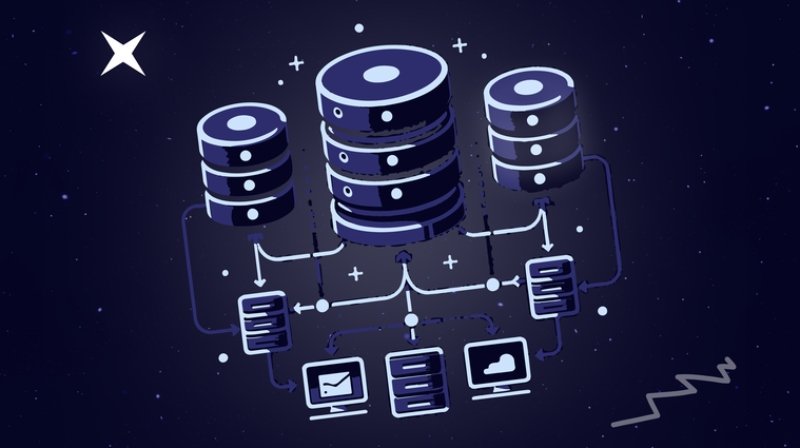
Think of a company’s information like a building filled with separate rooms. Each room stores different records of customer details, product information, supplier lists, and financial data, and each department controls its own space. While this structure might seem organized on the surface, it often creates a hidden problem: the data inside those rooms rarely connect.
This situation is known as a data silo.
Data silos occur when information is stored in isolated systems or departments that cannot easily share or synchronize their data. Sales might maintain its own customer database, marketing might track leads in another platform, and customer support might store service records elsewhere. Over time, these disconnected systems create multiple versions of the same information.
The result is confusion. Employees struggle to determine which data is accurate, and departments begin operating with different assumptions about customers, products, or operations.
In an era where businesses rely heavily on accurate information to guide strategy and operations, fragmented data can quietly become one of the most expensive problems an organization faces.
The Real Cost of Data Silos
Data silos are not just an inconvenience. They have real financial and operational consequences.
When employees cannot access consistent data, they waste valuable time searching across systems, reconciling discrepancies, and manually verifying records. Tasks that should take minutes can stretch into hours simply because the right information is difficult to locate.
These inefficiencies slow down daily operations. Marketing teams may send campaigns to outdated contacts, sales teams may lack up-to-date product availability, and finance departments may work with incomplete supplier records.
Even worse, poor data quality can lead to bad decisions. If leadership relies on incomplete or inaccurate reports, strategies may be built on faulty assumptions.
Over time, these problems accumulate lost productivity, missed opportunities, and costly mistakes that impact overall business performance.
Organizations that fail to address data silos often struggle to scale, collaborate effectively, or respond quickly to market changes.
Why Businesses Must Eliminate Data Silos
Modern businesses operate in fast-moving environments where decisions must be made quickly and confidently. To do that, leaders need a complete and accurate view of their operations.
But when data is scattered across multiple systems, gaining that unified view becomes nearly impossible.
For example, if marketing identifies a promising customer segment but the sales team has different contact information or purchase records, the company cannot act on that insight effectively. Opportunities are delayed or lost entirely.
Breaking down these barriers requires more than simply connecting databases. Businesses need a structured way to unify their most important information across departments.
This is where Master Data Management becomes essential.
Master Data Management: A Unified Data Solution
Master Data Management (MDM) is a strategic approach to organizing and managing an organization’s most critical data. Instead of allowing departments to maintain separate versions of important information, MDM centralizes and standardizes that data across the entire organization.
The goal is simple but powerful: create a consistent, reliable foundation of data that every system and department can trust.
With MDM, customer profiles, product records, supplier information, and other core datasets are managed through a unified framework. This ensures that all teams access the same accurate information, reducing confusion and eliminating inconsistencies.
By providing a centralized structure for data governance, quality control, and integration, Master Data Management helps businesses break down the silos that prevent efficient operations.
Establishing a Single Source of Truth
Data silos create confusion. Different departments often have conflicting information about the same customer, product, or supplier. This makes it hard to get a clear picture of what’s really going on. Master Data Management (MDM) steps in to fix this. It creates a central place where all your important data lives. This means everyone in the company looks at the same, correct information. It’s like having one official map instead of many different, outdated ones.
The Role of the “Golden Record”
One of the most important concepts within Master Data Management is the creation of a “golden record.”
A golden record represents the most accurate and complete version of a particular data entity,y such as a customer, product, or supplier. It is created by analyzing and merging information from multiple systems while removing duplicates and correcting inconsistencies.
For example, a company might have several customer records stored across marketing platforms, sales systems, and support tools. Each entry may contain slightly different information.
MDM technology compares these records, identifies overlaps, and combines them into a single unified profile containing the most reliable data.
This golden record becomes the trusted reference point for all business systems, ensuring consistency across the organization.
Improving Data Quality and Eliminating Duplicates
Data silos frequently lead to duplicated or inconsistent records.
A customer might appear multiple times across databases with different spellings, outdated addresses, or incomplete details. Product descriptions may vary between systems, and supplier records may contain missing information.
Master Data Management addresses these problems through automated data quality management processes.
MDM platforms can detect duplicate entries, validate data formats, and enforce standardized data rules. They continuously monitor incoming information to ensure that errors are corrected and records remain consistent.
Many modern systems even use AI-driven matching techniques to identify duplicate records that may not appear identical at first glance.
By improving data quality at its source, MDM ensures that business systems operate on clean, reliable information.
Streamlining Operations and Reducing Manual Work
Without proper data management, employees often spend large portions of their day performing repetitive tasks related to data handling. They may manually verify records, correct errors, or merge datasets from different systems.
Master Data Management significantly reduces this burden.
Through automation, MDM systems validate data in real time, detect inconsistencies, and enforce governance policies automatically. This minimizes the need for manual intervention and reduces the risk of human error.
As a result, employees can focus more on strategic work rather than administrative tasks related to data maintenance.
Organizations also benefit from faster processes, improved productivity, and lower operational costs.
Enabling Better Business Decisions
Reliable data is the foundation of effective analytics and strategic planning.
When businesses rely on fragmented or inaccurate datasets, reports and insights become unreliable. Leaders may spend more time debating the validity of data than acting on it.
Master Data Management solves this problem by creating a consistent, trusted data environment.
With unified datasets, analysts can generate reports with confidence, marketing teams can build accurate customer segments, and executives can evaluate performance metrics without worrying about data inconsistencies.
Better data leads directly to better decisions and ultimately stronger business outcomes.
Strengthening Compliance and Security
In addition to operational benefits, Master Data Management also supports regulatory compliance and data security.
Modern organizations must follow strict data protection regulations that require clear visibility into how personal or sensitive data is stored and used. When data is scattered across multiple systems, maintaining compliance becomes difficult.
MDM centralizes governance policies and ensures that data access, storage, and usage follow consistent rules.
This centralized control reduces security risks, simplifies audits, and helps organizations demonstrate compliance with regulatory standards.
Breaking Down System Barriers
Most enterprises rely on numerous digital systems to manage different aspects of their operations. Without integration, these systems operate independently, creating additional data silos.
Master Data Management acts as a bridge between them.
By establishing standardized data structures and synchronization processes, MDM allows systems to share and update information seamlessly. When a record changes in one system, the update can automatically propagate across others.
This integration improves accessibility, usability, and collaboration across departments.
Instead of isolated systems, organizations gain a connected ecosystem where information flows freely and efficiently.
The End of Costly Data Silos
Data silos remain one of the most common and expensive challenges organizations face today. Fragmented data slows operations, creates inconsistencies, and undermines decision-making.
Master Data Management offers a powerful solution by unifying critical data, improving quality, and creating a single source of truth across the organization.
With accurate, centralized information, businesses can streamline operations, strengthen compliance, enhance analytics, and make better strategic decisions.
In a world driven by data, organizations that successfully eliminate silos gain a clear competitive advantage.
Master Data Management does more than organize information;n it unlocks the full value of the data businesses rely on every day. At Disquantified.com, we believe that true creativity starts with the heart. And when shared with purpose, it can leave a lasting mark.