
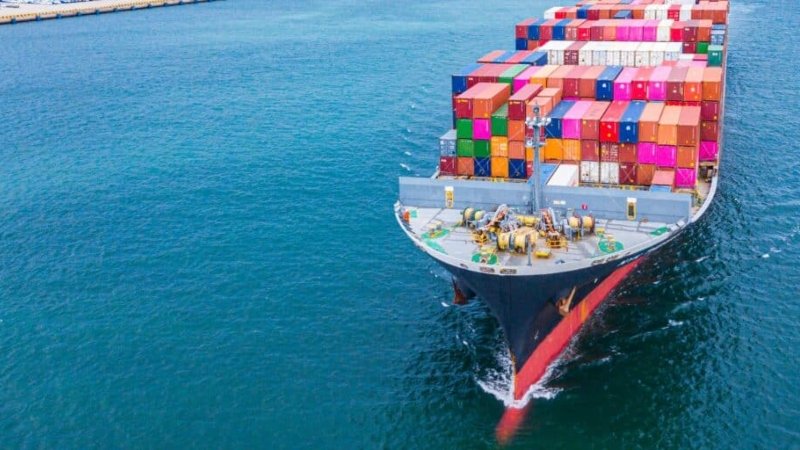
For many logistics teams, container tracking serves a straightforward purpose: answering a single question — Where is my container right now?
Shipment visibility has become an essential part of modern supply chains. Real-time tracking allows companies to monitor cargo movements, respond to delays, and keep stakeholders informed throughout the transportation process.
However, once a shipment is delivered, the tracking process often ends.
This approach overlooks a valuable source of operational intelligence. Every container movement generates data that can help logistics teams answer much more strategic questions:
- Which carriers consistently deliver on time?
- Which routes create the most delays?
- Where do avoidable logistics costs originate?
- Which ports frequently experience congestion?
- How can future shipments be planned more efficiently?
Historical shipment data contains insights that extend far beyond visibility. When analyzed systematically, tracking records can reveal performance trends, uncover hidden inefficiencies, and support better transportation decisions.
As supply chains become increasingly complex and cost pressures continue to rise, historical tracking data is emerging as an underutilized asset that can help companies improve reliability, reduce costs, and strengthen logistics planning.
The Hidden Problem: Tracking Data Is Often Forgotten After Delivery
Most organizations follow a similar workflow.
A shipment is booked. The container is tracked throughout its journey. Teams monitor milestones, receive status updates, coordinate with suppliers and customers, and react to exceptions when necessary.
Once the container is delivered, however, the tracking data is rarely used again.
The shipment is considered complete, and attention shifts to the next container.
While this approach supports day-to-day operations, it creates a significant missed opportunity. Over time, companies accumulate thousands of shipment records containing valuable information about carrier performance, route reliability, port congestion, and operational risks. Yet much of this data remains unused.
The result is that the same logistics problems often repeat themselves.
A company may continue using a carrier that regularly arrives late because no one has analyzed historical performance. A congested transshipment hub may repeatedly disrupt schedules without being formally identified as a recurring bottleneck. Storage charges may continue accumulating at the same ports year after year without a clear understanding of their root causes.
Without historical analysis, logistics decisions often rely on assumptions, anecdotal experiences, or freight rates alone.
Organizations may have the data needed to improve performance, but they are not extracting insights from it.
How Historical Shipment Data Improves Logistics Decision-Making
Historical tracking records provide context that real-time visibility alone cannot offer.
Instead of focusing on a single shipment, logistics teams can analyze hundreds or thousands of completed movements to identify trends, measure performance, and make more informed decisions.
Identifying Recurring Delays
Individual shipment delays may appear random.
However, when historical shipment data is analyzed across multiple routes and carriers, patterns often emerge.
For example, companies may discover that:
- Certain ports experience recurring congestion during peak seasons.
- Specific transshipment hubs regularly add several days to transit times.
- Particular trade lanes suffer from predictable weather-related disruptions.
- Some routes consistently experience customs processing delays.
A single delayed shipment provides limited insight. Hundreds of shipment records can reveal systemic issues.
For example, a logistics manager may notice that containers moving through a particular Mediterranean transshipment hub experience an average delay of four days during the third quarter every year. This knowledge enables proactive planning before peak season begins.
Historical analysis transforms isolated incidents into actionable operational intelligence.
Measuring Carrier Reliability
Freight rates remain an important factor when selecting carriers, but transportation cost alone rarely tells the full story.
A carrier offering the lowest rate may ultimately generate higher costs if shipments frequently arrive late, experience schedule changes, or require additional operational intervention.
Historical shipment data allows organizations to evaluate carriers using performance-based metrics such as:
- Transit time consistency
- Schedule reliability
- ETA accuracy
- On-time arrival rates
- Frequency of delays
Consider two carriers operating on the same trade lane.
Carrier A may offer slightly lower freight rates, but regularly arrives five to seven days behind schedule.
Carrier B may charge slightly more but consistently delivers within the planned transit window.
Without historical performance data, the cost difference is easy to compare. The operational impact is much harder to quantify.
When reliability metrics are included in the decision-making process, companies can make more balanced carrier selections that account for both cost and service quality.
Building Carrier Performance Scorecards
Many procurement and logistics teams use supplier scorecards to evaluate vendors. The same principle can be applied to ocean carriers.
Historical shipment data makes it possible to create objective carrier performance scorecards based on measurable operational KPIs.
Common metrics include:
- Average transit time
- Average delay duration
- On-time delivery rate
- ETA deviation
- Average dwell time
- Delay frequency
These scorecards help organizations move beyond subjective assessments and evaluate carrier performance using consistent criteria.
They can also support contract negotiations.
For example, if historical data shows that one carrier consistently outperforms competitors on a critical route, procurement teams may be more willing to commit additional volume. Conversely, persistent performance issues can be identified and addressed through service reviews or contract discussions.
Over time, scorecards create accountability and encourage data-driven carrier management.
Reducing Demurrage and Detention Costs with Tracking Data
Among the most common avoidable logistics expenses are demurrage and detention charges.
Demurrage refers to fees charged when a container remains inside a terminal beyond the allowed free time.
Detention refers to fees charged when a container remains outside the terminal and is not returned within the agreed free time period.
These charges can quickly accumulate and significantly increase transportation costs.
In many cases, they are not caused by a single operational failure but rather by recurring inefficiencies that can be identified through historical shipment analysis.
Why These Costs Occur
Demurrage and detention charges can arise for numerous reasons, including:
- Port congestion
- Customs clearance delays
- Documentation errors
- Inland transportation bottlenecks
- Warehouse capacity issues
- Missed pickup deadlines
- Delayed cargo availability
While some causes may be unavoidable, many occur repeatedly and follow identifiable patterns.
The challenge is recognizing those patterns before they become recurring expenses.
Early Warning Signals Hidden in Tracking Data
Shipment tracking data contains indicators that can reveal elevated risk long before charges occur.
Examples include:
- Containers remaining at terminals longer than normal
- Multiple ETA revisions during transit
- Delayed vessel discharge operations
- Missed transshipment connections
- Extended waiting times before customs release
These milestones often serve as early warning signals.
When logistics teams understand which events historically precede demurrage or detention charges, they can intervene earlier and reduce financial exposure.
For example, repeated ETA changes may indicate that inland transportation arrangements should be adjusted proactively. Prolonged terminal stays may trigger immediate follow-up actions before free time expires.
The goal is not simply to monitor shipment status but to anticipate operational risk.
Using Historical Data to Identify Cost Drivers
Historical shipment records can help organizations identify the underlying factors contributing to storage-related expenses.
By analyzing completed shipments, companies can determine:
- Which ports generate the highest demurrage costs
- Which routes frequently create detention risk
- Which carriers are associated with extended dwell times
- Which trade lanes experience recurring congestion
Over time, this analysis helps logistics teams redesign transportation plans and allocate resources more effectively.
For example, a company may discover that a specific port consistently generates higher storage costs due to congestion. Future shipments can then be routed through alternative gateways when feasible.
Similarly, carrier performance comparisons may reveal that certain service providers consistently experience longer container dwell times than competitors.
Historical visibility data becomes particularly valuable when tracking records remain accessible after delivery. Some platforms, such as TimeToCargo container tracking tool, allow users to save shipment tracking history, making it easier to review completed movements and analyze operational trends over longer periods.
The true value lies not in storing historical records but in using them to prevent future costs.
Turning Tracking Data into a Carrier Performance Management Tool
As organizations mature their logistics operations, tracking evolves from a visibility function into a performance management capability.
Rather than simply monitoring shipments in transit, logistics teams begin using shipment history to evaluate and improve network performance.
Historical tracking data can help answer critical operational questions:
- Which carrier is the most reliable?
- Which carrier creates the highest risk of delays?
- Which routes provide the most predictable transit times?
- Which ports regularly disrupt schedules?
- Where should transportation volumes be allocated?
These questions directly influence transportation strategy, procurement decisions, and customer service performance.
Metrics Worth Tracking
The following metrics provide a practical foundation for carrier performance analysis:
| Metric | Why It Matters |
| On-time arrival rate | Measures reliability |
| Average transit time | Measures efficiency |
| ETA accuracy | Measures predictability |
| Port dwell time | Identifies congestion |
| Delay frequency | Identifies operational risk |
| Missed connection rate | Highlights transshipment issues |
When monitored consistently, these metrics help organizations identify both strengths and weaknesses within their transportation networks.
For example, a carrier may offer competitive transit times but suffer from poor ETA accuracy. Another may experience longer average transit times but deliver highly predictable service.
The most suitable carrier often depends on business priorities. Historical data provides the evidence needed to make informed decisions.
Over time, performance management becomes less reactive and more strategic.
Instead of responding to individual disruptions, logistics teams gain visibility into long-term trends that shape overall supply chain performance.
Why Shipment Visibility Alone Is No Longer Enough
Supply chains are becoming increasingly data-driven.
Customers expect accurate delivery forecasts. Procurement teams are under pressure to control transportation costs. Operations teams must manage disruptions with greater speed and precision than ever before.
In this environment, shipment visibility remains important—but visibility alone is no longer sufficient.
Modern logistics organizations need capabilities that go beyond tracking container locations.
They need:
- Predictive insights
- Performance benchmarking
- Carrier evaluation
- Cost optimization
- Risk identification
- Continuous improvement processes
Real-time tracking answers the question, What is happening right now?
Historical analytics answers the more valuable question, How can we improve future shipments?
Organizations that rely exclusively on current shipment status risk overlooking opportunities to reduce costs and improve operational performance.
The competitive advantage increasingly comes from learning from completed shipments, not simply monitoring active ones.
Conclusion
Container tracking has traditionally been viewed as a visibility tool designed to answer a simple operational question: where is the shipment?
While visibility remains essential, the long-term value of tracking extends far beyond real-time status updates.
Historical shipment data can reveal recurring delays, identify logistics bottlenecks, measure carrier reliability, reduce demurrage and detention costs, and support more informed transportation decisions. It enables organizations to move from reactive shipment management to proactive logistics optimization.
Most companies already possess a large volume of tracking data. The challenge is not collecting more information but learning how to use existing data more effectively.
The organizations that gain the greatest value from container tracking are often those that continue analyzing shipment performance long after delivery has occurred.
As supply chains become increasingly complex, shipment history is evolving from an operational record into a strategic logistics asset—one that can help companies improve predictability, strengthen carrier management, and build more efficient transportation networks for the future. At Disquantified.com, we believe that true creativity starts with the heart. And when shared with purpose, it can leave a lasting mark.