
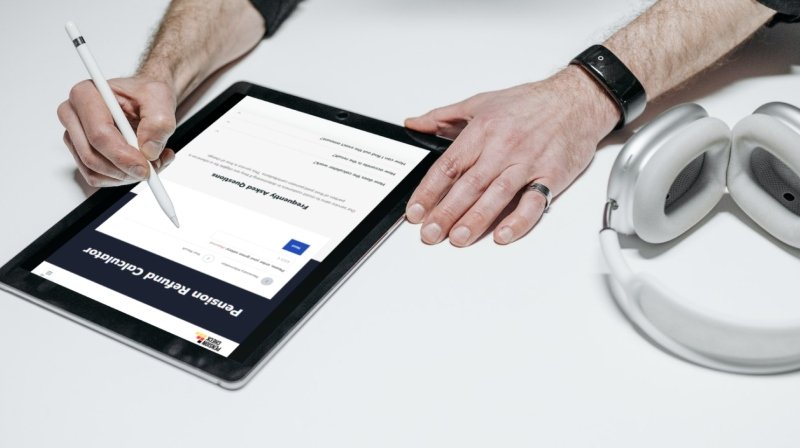
For many people who once worked in Germany, pension contributions are something that fades into the background after leaving the country. While employed, these payments are deducted automatically, and most employees do not pay close attention to how the system works. It is only later—often years after relocation—that questions arise about whether that money can still be accessed. For non-EU citizens, there is a legal pathway for getting a refund from the German pension system, but eligibility is not universal. It depends on a combination of factors, including nationality, residence, contribution history, and timing. Understanding these conditions is essential before starting the process, as even small details can determine whether a refund is possible or not.
Why Not Everyone Can Claim a Refund
Germany’s pension system is designed primarily for long-term participation. Contributions made during employment are intended to provide income during retirement. However, for individuals who leave Germany and do not remain within the European system, accessing those benefits later may not always be practical.
Because of this, the system allows certain groups—primarily non-EU citizens—to reclaim their employee contributions instead of waiting until retirement age. At the same time, strict rules exist to prevent overlap between refunds and pension entitlements. This is why eligibility is carefully defined and not automatically granted to everyone who worked in Germany.
Your Citizenship Matters First
One of the most important factors is nationality. Refunds are generally available only to individuals who are not citizens of the European Union or the United Kingdom.
If you hold EU or UK citizenship, even if you never lived in those countries, you are typically not eligible for a refund. This is because your contributions remain valid within the broader European pension framework and may count toward future pension benefits.
There is also an important detail regarding dual citizenship. If a person holds both a non-EU and an EU (or UK) passport, the EU/UK citizenship usually takes precedence, which means a refund is not possible.
Where You Currently Live
Residence is another key condition. To qualify for a refund, you must live outside the EU and the UK at the time of application.
This requirement confirms that you are no longer part of the European pension system. However, it is worth noting that living in certain European Economic Area (EEA) countries does not necessarily disqualify you, as long as you do not hold EU, EEA or UK citizenship and meet the other criteria.
The distinction between nationality and residence is important. Someone may live in Europe but still qualify, while another person living outside Europe may not, depending on their citizenship.
The 24-Month Waiting Rule
Timing plays a central role in determining eligibility. You cannot apply for a refund immediately after leaving Germany. Instead, you must wait at least 24 months from the date of your last pension contribution.
This waiting period exists to ensure that you have permanently left the German pension system and are not planning to continue contributing. It is a fixed requirement and cannot be shortened.
In practice, this means that even if you meet all other conditions, your application will not be accepted until this period has passed. Many applicants overlook this rule and attempt to apply too early, which leads to delays.
The Importance of Contribution Length
Another critical factor is how long you contributed to the German pension system. Contribution length is measured in months, and even one day of work within a calendar month counts as a full month.
The 60-month threshold is particularly important. For citizens of certain countries—including the United States, Canada, Australia, India, Brazil, and the Philippines—this threshold determines whether a refund is possible.
● If you have contributed for fewer than 60 months, a refund may be available
● If you have reached 60 months or more, you may instead qualify for a pension, and a refund is generally no longer possible
This rule exists because of bilateral social security agreements between Germany and these countries. These agreements allow contributions to be recognized for future pension benefits rather than refunded.
Contribution Type and What Can Be Refunded
Not all pension contributions are treated the same way. The refund includes only the employee’s share of contributions, which is approximately 9.3% of gross salary.
The employer’s contributions are not returned, and no interest is added to the refunded amount. This is an important detail, as some people expect the total contributions to be refunded, which is not the case.
Despite this limitation, the total refund can still be substantial, especially for individuals who worked in Germany for several years. In many cases, refunds can reach significant amounts depending on income and duration of employment.
Other Situations That May Affect Eligibility
There are additional circumstances that can influence whether a refund is possible. For example, if someone becomes eligible for a German old-age pension, the option to request a refund may no longer apply.
In cases involving disability, a different type of pension may be available instead of a refund, depending on contribution history and specific conditions.
Family situations can also play a role. If a person who contributed to the system has passed away, their spouse may be entitled to claim either a refund or a widow’s pension, depending on eligibility criteria.
Why Many People Misunderstand Eligibility
The rules surrounding German pension refunds are not always intuitive, especially for people unfamiliar with the system. It is common for former workers to assume they qualify simply because they contributed during their time in Germany.
In reality, eligibility depends on several conditions being met at the same time. Missing even one requirement—such as the 24-month waiting period or nationality criteria—can prevent a refund.
This is why many applicants take time to review their situation carefully before proceeding. Understanding the rules in advance helps avoid unnecessary delays and confusion.
Putting It All Together
When looking at the process as a whole, eligibility for a German pension refund depends on a combination of factors rather than a single condition. These include:
● your citizenship
● your current country of residence
● how long you contributed
● whether 24 months have passed since your last contribution
All of these elements must align for a refund to be possible. If they do, the process can move forward. If not, other options—such as future pension rights—may apply instead.
Final Thoughts
Reclaiming German pension contributions is a real opportunity for many non-EU citizens who have left Europe, but it is not automatic. Eligibility is determined by clearly defined rules, and understanding those rules is the first step toward making an informed decision.
For those who meet the criteria, a refund can represent a meaningful financial return from time spent working in Germany. For others, the system may instead provide long-term pension benefits. If you want to explore your situation in more detail or check whether you meet the requirements. You can find further information at
germanypensionrefund.com. At Disquantified.com, we believe that true creativity starts with the heart. And when shared with purpose, it can leave a lasting mark.