
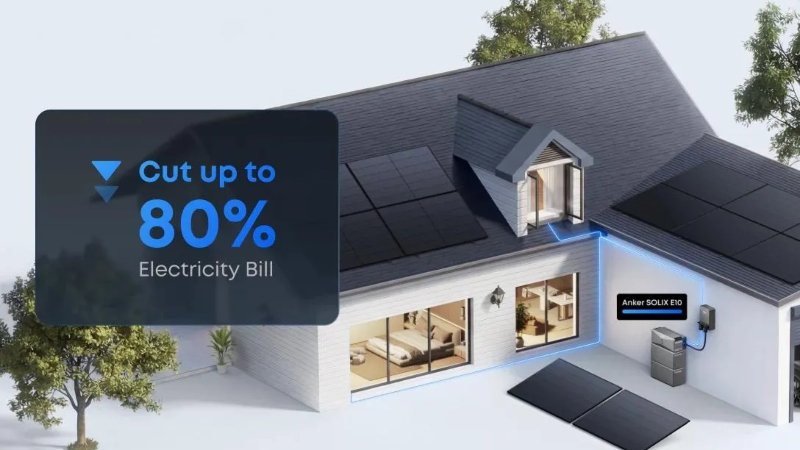
Residential battery backup systems let homeowners keep the lights on when the grid goes down and lower energy costs during normal operation. More people now pair them with rooftop solar to store excess power instead of sending everything back to the utility. When the grid fails, a battery can instantly power key circuits, so you avoid fumbling for flashlights or worrying about food spoiling. Compared with fuel‑powered generators, batteries run quietly, need no fuel deliveries, and can often be managed from a smartphone. They also help smooth out rising electricity rates by letting you use stored energy during peak hours. This guide explains how residential battery systems work, what they cost, and the main benefits and trade‑offs to consider.
What Are Residential Battery Backup Systems?
How Home Battery Storage Works
Home battery storage systems charge and discharge electricity using an internal chemistry, usually lithium‑ion. During charging, direct current from solar panels or alternating current from the grid converts into stored chemical energy inside the battery cells. A battery inverter then converts this stored energy back into usable alternating current for your home.The system’s control software decides when to charge or discharge based on utility rate schedules, backup settings, and solar production. During an outage, the transfer switch disconnects the home from the grid, and the inverter supplies power from the battery to selected circuits. Once the grid returns, the system reconnects and resumes normal operation automatically.
Key Components of a Battery Backup System
A residential battery backup system includes several core components that work together. The battery pack stores energy, usually using lithium‑ion or lithium‑iron‑phosphate cells. A hybrid or battery inverter converts power between direct current and alternating current and manages charging and discharging.A transfer switch or smart load panel isolates the home from the grid during outages and routes power to chosen circuits. The main electrical panel connects house wiring to the system. Monitoring and control hardware, often built into the inverter, links to a smartphone or web app. Optional components include rooftop solar panels, a solar inverter if separate, backup‑ready EV chargers, and additional batteries for expanded storage capacity.
Residential Battery Backup Costs Explained
Upfront Equipment and Installation Costs
Upfront costs for residential battery backup systems fall into two main buckets: equipment and installation. Equipment costs include the battery unit, inverter, transfer switch or smart load panel, monitoring hardware, and any additional accessories such as enclosures or mounting brackets. Higher capacity and premium brands generally raise equipment prices, but can deliver better performance and warranties.Installation costs cover electrical work, permits, inspections, and potential service upgrades. Electricians may need to rewire your main panel, add a subpanel for backed‑up circuits, or upgrade the service to handle higher loads. Roof or wall reinforcement could be required for mounting. Local code requirements, seismic or hurricane standards, and utility interconnection fees also influence the total. Getting multiple quotes from qualified installers helps clarify realistic upfront budget ranges.
Maintenance, Lifespan, and Hidden Costs
Battery backup systems have lower ongoing maintenance than fuel generators, but some costs still apply. Lithium‑ion batteries require periodic firmware updates, performance checks, and visual inspections to ensure wiring and enclosures stay in good condition. Most systems run diagnostics automatically, yet professional reviews every few years may be wise.Battery lifespan is often rated in cycles and years; many products offer 10‑year warranties with capacity retention guarantees. Over time, usable capacity declines, so eventual replacement should be part of long‑term budgeting. Hidden costs can include warranty transfer fees when selling the home, software subscription features for advanced monitoring, or replacing failed components like inverters outside warranty. Insurance adjustments, code changes, and potential service upgrades when adding more batteries later can also impact the real lifetime cost.
Benefits of Residential Battery Backup Systems
Energy Independence and Outage Protection
Residential batteries strengthen energy independence by storing power you can rely on regardless of grid conditions. When paired with solar, a battery power backup for home lets you capture daytime excess and use it at night or during blackouts. This cycle reduces dependence on utility supply and gives you more control over how and when you consume electricity. Outage protection is one of the primary reasons homeowners invest in storage. A well-designed system can run essential loads for hours or days, depending on battery size and usage. Unlike fuel generators, batteries start automatically, run quietly, and do not rely on fuel deliveries that may be disrupted during storms or emergencies. For regions facing frequent extreme weather, wildfire shutoffs, or aging grid infrastructure, this resilience often carries as much value as direct bill savings.
Savings, Sustainability, and Smart Energy Use
Battery backup systems contribute to savings by shifting your usage away from high‑rate periods and increasing self‑consumption of solar energy. With time‑of‑use rates, you can charge the battery when power is cheap and discharge during expensive evening peaks. Over years, this strategy can offset a meaningful portion of the upfront cost. Some utilities offer programs that pay homeowners for allowing limited grid access to their stored energy during peak events.Sustainability gains come from using more renewable electricity and less fossil‑fuel generation. You can store surplus solar that might otherwise be curtailed and use it when solar output drops. Smart controls and apps give visibility into real‑time consumption, helping you identify waste and adjust habits. The result is a more efficient household, reduced carbon emissions, and a home energy system that works intelligently rather than passively.
Conclusion
Residential battery backup systems give homeowners a powerful tool for improving resilience, controlling energy use, and getting more from rooftop solar. These systems provide quiet, instant backup during outages and can deliver ongoing bill savings by shifting usage away from high‑cost periods. Upfront costs remain significant, but incentives and long‑term value make storage increasingly attractive, especially in regions with unreliable grids or complex rate structures.Before purchasing, assess your essential loads, local utility rules, and installation constraints. Compare brands, warranties, and installer expertise to avoid costly missteps. With careful planning, a residential battery backup system can become a long‑lasting asset that protects your home, supports cleaner energy, and offers greater independence from the grid. At Disquantified.com, we believe that true creativity starts with the heart. And when shared with purpose, it can leave a lasting mark.