
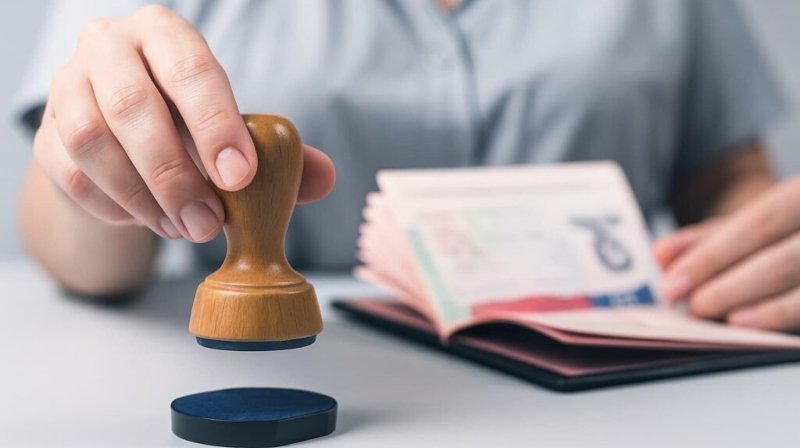
Relocating to a new country ranks among life’s most transformative experiences. Yet beneath the excitement lies a layer of bureaucracy that catches many future expats off guard. You have packed your bags, arranged housing, and said your goodbyes — but have you considered whether your paperwork will actually be accepted once you arrive?
Foreign governments operate under strict rules. The documents that established your identity, education, or marital status in the United States may carry zero weight overseas without proper authentication. The missing credential is an apostille — an international certification accepted by over 120 nations. This guide explains what the mentioned seal does, why foreign authorities demand it, and how to obtain one without delaying your move.
Moving Abroad from the US: Why You May Need an Apostille
Imagine handing your official birth certificate to a foreign official, only to have it rejected. Your local county clerk’s signature simply doesn’t register with authorities abroad — they need confirmation that your paperwork comes from legitimate sources. An apostille provides that verification. The following sections break down the basics of this certification.
What an Apostille Is and Why It’s Used Internationally
Countries that signed the 1961 Hague Convention accept a specific form of verification known as an apostille. This certification validates American documents for legal use abroad, functioning much like an international stamp of approval. Just as your passport confirms your identity to foreign governments, the apostille confirms that your papers are official and trustworthy.
Today, over 120 countries recognize apostilles. When attached to your document, this certificate signals to foreign officials that they can accept it at face value. No further authentication is needed.
When Apostilled Documents Are Required for Moving Abroad
Certain international moves trigger apostille requirements while others do not. Short tourist trips rarely involve document authentication. But once you seek to live, work, study, or establish legal residency in another country, expect to encounter this demand.
Common situations requiring apostilles include:
- Applying for long-term work visas
- Seeking permanent residency or citizenship
- Enrolling in foreign universities
- Getting married abroad
- Registering births in your new country
- Establishing businesses overseas
- Handling international adoptions
The pattern is clear: any situation where a foreign government must officially recognize your identity, qualifications, or family status will likely require apostilled documents.
How to Check Whether Your Destination Country Accepts Apostilles
Before investing time and money in the apostille process, verify that your target country participates in the Hague Convention. The good news is that most popular destinations for American expats are members. These include all European Union nations, Australia, Japan, South Korea, Mexico, and many others.
To confirm a specific country’s status:
- Visit the Hague Conference on Private International Law website.
- Locate the status table for the Apostille Convention.
- Find your destination country and check its membership status.
- Note any special declarations or reservations that might affect your documents
Nations that never joined the Hague agreement require an older, more cumbersome route. Their embassies must personally verify each document through a procedure called consular legalization.
Apostilled Documents for Moving Abroad: Common Examples
Certain documents appear repeatedly on expat checklists. While your specific situation determines exactly what you need, these categories cover the vast majority of cases.
Apostille for Birth Certificate
Few documents carry as much weight when relocating as proof of birth. Foreign governments rely on the record to verify age, parentage, and eligibility for various visas or benefits. This explains why requests for certified copies rank among the most frequent.
Obtaining this authentication requires more than a simple photocopy. Applicants must request a certified document from the vital records office in their birth state. Only this official version qualifies for the apostille process.
Apostille for Diploma or Academic Records
An apostille for a diploma or transcripts tells foreign institutions and employers that your academic achievements are genuine. Universities abroad often require both your degree certificate and official transcripts. Some countries, particularly in Asia and the Middle East, maintain rigorous verification systems for educational documents. The apostille serves as the first step in this process.
Professional licenses follow similar rules. If you hold credentials in nursing, engineering, accounting, or teaching, you may need those to be certified as well before practicing overseas.
Apostille for Marriage Certificate
Couples relocating together must prove the legality of their union. An apostille for a marriage certificate confirms to foreign authorities that your marriage is valid under U.S. law.
This becomes essential when:
- One spouse applies for derivative visa status
- A couple seeks to register their marriage in a new country
- An individual needs to update their marital status on local identification
- Applicants later apply for citizenship as a married couple
If you have divorced and remarried, you may also need apostilled divorce decrees to demonstrate your legal capacity to marry.
Other Documents That May Need an Apostille
The three documents covered above represent the most common requests, but several other records frequently require authentication before a move. Among them are:
- Court documents: Adoption decrees, name change orders, and probate wills all fall into this category.
- Corporate records: Business owners expanding internationally often need apostilled articles of incorporation, certificates of good standing, and corporate resolutions.
- Background checks: FBI identity history summaries are increasingly required for residency and work permits.
- Affidavits and powers of attorney: These notarized documents allow others to act on your behalf while you are abroad.
- Death certificates: Though less common for standard moves, these may be needed when settling estates or claiming inheritance across borders.
How to Get an Apostille in the United States
The apostille process follows a logical sequence. Understanding each step prevents costly errors and keeps your relocation timeline on track.
Check Who Issued the Document
Your first task involves identifying the document’s origin. This determines which authority can issue the apostille. The issuing jurisdiction controls the authentication path.
Documents from state agencies, like birth certificates from health departments or diplomas from state universities, require state-level apostilles. Papers originating from federal bodies, such as FBI background checks, naturalization certificates, or federal court records, must go to the U.S. Department of State in Washington, D.C.
Make Sure the Document Is Certified or Notarized
Raw documents rarely qualify for apostilles directly. They must first be certified or notarized by an appropriate official. This creates a verified chain that the apostille office can then authenticate.
For vital records, you need certified copies issued by the official custodian — typically a state health department or county clerk. Each copy bears raised seals or multicolored stamps that verify its authenticity.
For private documents like powers of attorney or affidavits, notarization serves this purpose. The notary public witnesses signatures and applies their seal, creating a verifiable record. Some states require additional county clerk certification before the document reaches the apostille office.
Send the Document to the Correct Apostille Office
Once you have a certified copy, the next step involves forwarding it to the proper authentication office. State-issued records go to the Secretary of State in their home state. Federal paperwork heads to the U.S. Department of State’s Office of Authentications in Washington.
Each office maintains its own submission procedures. Most accept mail-in requests, though requirements for forms, fees, and return shipping vary. Checking the specific office’s website before mailing saves time and frustration.
Living in a different state from where a document originated creates no obstacle. Applicants can mail paperwork to the correct office without traveling there. The only requirement involves carefully following that state’s published guidelines.
Typical Processing Time for an Apostille
Processing times fluctuate based on office workload and submission method. State offices generally process requests within a few days to a couple of weeks. Some offer expedited services for an additional fee.
Federal apostilles take longer. Standard mail-in processing through the U.S. Department of State currently requires four to eight weeks, depending on volume. This federal backlog catches many applicants off guard, especially when they have upcoming visa appointments.
How to Get an Apostille Faster Before Moving Abroad
When deadlines loom, waiting weeks for document authentication feels agonizing. Fortunately, several strategies can accelerate the process.
Prepare Your Documents Early
The single most effective speed strategy involves starting before you feel pressured. Gather your documents, verify their certification status, and identify the correct apostille office well ahead of your visa appointment.
Early preparation also reveals problems while you still have time to fix them. A missing seal, an expired notary commission, or an incorrect document version can all be corrected without derailing your entire timeline.
Check the Requirements of Your Destination Country
Different countries impose different validity windows. Some require documents to be issued within the last three months. Others accept documents up to a year old. Spain, for example, strictly enforces a 90-day validity rule for background checks and certain civil papers.
Knowing these rules up front lets you time your apostille requests appropriately. Order documents early enough to have them authenticated, but not so early that they expire before your visa appointment. This balancing act requires careful calendar planning.
Using a Professional Apostille Service
Professional services offer the fastest path for those with tight deadlines or complex needs. These providers handle the entire process on your behalf, leveraging their experience and physical presence near key offices.
Services typically offer:
- Document review before submission to catch errors
- Expedited processing through established relationships
- Physical pickup and delivery to save mailing time
- Coordination across multiple states or agencies
- Handling of both state and federal requirements
For urgent situations, companies provide expedited FBI apostille processing in as little as nine business days — far faster than standard mail-in options.
A quick online search for an apostille near me often pulls up local providers who handle the paperwork. That convenience comes with one caveat: the certification itself must originate from the document’s home state, not necessarily your current location. Professional services bridge the geographic gap by managing submissions remotely.
State Apostille vs. Federal Apostille
Documents travel different paths depending on their origins. Mixing up state and federal routes guarantees rejection. The following sections break down which records belong in each category.
Documents That Require a State Apostille
State apostilles apply to documents issued by state, county, or local authorities. The list below outlines the most frequent requests in this category:
- Birth and death certificates from vital records offices
- Marriage licenses and divorce decrees from county clerks
- Diplomas and transcripts from state educational institutions
- Notarized documents where the notary was commissioned by a state
- Business documents from state incorporation divisions
The Secretary of State’s office in the paper’s home state issues these apostilles. They verify the signatures of state officials, notaries, and county clerks against their databases.
Documents That Require a Federal Apostille
Federal apostilles cover documents issued by the United States government agencies. Common examples include:
- FBI background checks
- Certificates of naturalization or citizenship
- Federal court judgments and bankruptcy records
- Immigration documents from USCIS
- Documents from federal agencies like the FDA or USDA
- Consular reports of birth abroad
These require authentication by the U.S. Department of State’s Office of Authentications in Washington, D.C. No state office can process them.
Common Mistakes When Getting an Apostille
Even careful applicants stumble into traps that delay the issuance of their apostilles. Awareness of these pitfalls helps you avoid them.
Sending the Wrong Type of Document
The most frequent error involves document format. Apostille offices require original certified copies or properly notarized originals. Photocopies, even if clear, are routinely rejected.
For vital records, this means ordering new certified copies from the issuing agency. Your personal copy from the hospital or a simple photocopy will not suffice.
Similarly, digital files create problems. While the FBI may email your background check as a PDF, most apostille offices require physical documents with original seals. Some states now accept certain digital documents, but this remains the exception rather than the rule.
Choosing the Wrong Apostille Authority
Sending state documents to the federal office — or federal documents to a state office — guarantees rejection. This mistake costs precious weeks as your package travels, gets refused, and returns to you.
Remember the simple rule: follow the document’s origin. State-issued documents go to the state Secretary of State. Federal-issued papers go to the U.S. Department of State.
Not Leaving Enough Time for Corrections or Rejection
Optimism about processing times trips up many applicants. They assume everything will go smoothly and quickly. When delays occur, they have no buffer left.
Building in extra time accounts for:
- Mailing delays in both directions
- Office backlogs during peak seasons
- Possible document rejections requiring resubmission
- Errors in application forms that need correction
- Holidays when government offices close
A realistic timeline adds several weeks beyond the stated processing time. For federal apostilles, planning two to three months ahead provides a comfortable margin.
Final Thoughts
International relocation demands attention to detail, particularly when it comes to document authentication. Knowing which records need certification and how to get an apostille transforms a potential bureaucratic tangle into a manageable task. The principles remain consistent regardless of document type: verify origin, ensure proper notarization, and submit to the correct authority. Timing matters as much as accuracy — start early and verify destination rules. With properly authenticated paperwork, you can present your credentials abroad with confidence. At Disquantified.com, we believe that true creativity starts with the heart. And when shared with purpose, it can leave a lasting mark.