
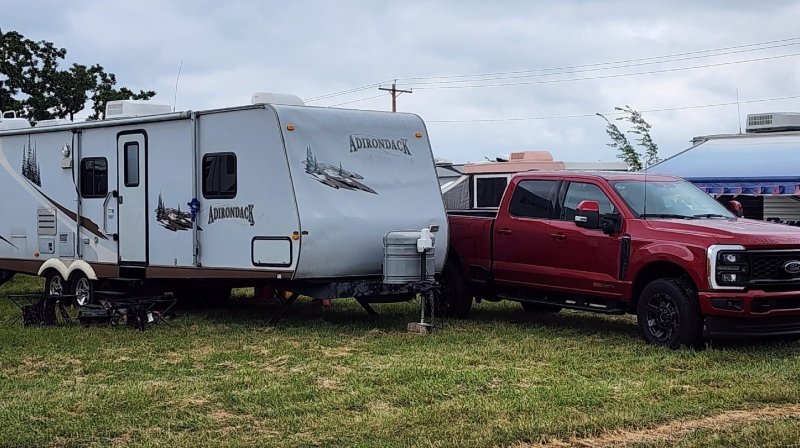
Choosing the right trailer for your vehicle is an essential step in ensuring safe, efficient, and stress-free towing. Matching a trailer to your vehicle’s towing capacity helps prevent mechanical strain, reduces the risk of accidents, and ensures smooth handling on the road. Whether you’re hauling equipment, recreational vehicles, or cargo for work, understanding how to select a trailer based on your vehicle’s specifications is key to a successful towing experience.
For those exploring options in the region, Arkansas trailer sales dealerships provide a wide range of trailers suitable for various vehicles and towing needs. By considering vehicle capacity, trailer type, and intended use, buyers can make informed decisions that maximize safety, efficiency, and convenience.
Understanding Vehicle Towing Capacity
Before selecting a trailer, it’s essential to understand your vehicle’s towing capacity. Towing capacity is the maximum weight your vehicle can safely pull, as specified by the manufacturer. This figure accounts for engine power, transmission, braking system, suspension, and chassis strength.
Exceeding your vehicle’s towing capacity can result in reduced control, increased wear and tear, and a higher risk of accidents. Consult your vehicle’s owner’s manual or manufacturer’s specifications to determine its towing limits, paying attention to both gross trailer weight (GTW) and tongue weight. Knowing these limits is the foundation of safe trailer selection.
Determining Gross Trailer Weight
Gross trailer weight (GTW) is the total weight of the trailer plus its cargo. This includes the trailer itself, any equipment, supplies, or recreational items, and any passengers if applicable. GTW should always fall within your vehicle’s towing capacity to ensure stability and prevent mechanical strain.
Choosing a trailer with a GTW that matches or is slightly below your vehicle’s maximum towing capacity provides a safety margin. This helps maintain braking efficiency, steering control, and overall vehicle performance during towing, especially on highways or uneven terrain.
Evaluating Tongue Weight
Tongue weight is the downward force exerted by the trailer on the vehicle’s hitch. Proper tongue weight is essential for stability and safe handling. Typically, tongue weight should be about 10-15% of the trailer’s total weight.
If the tongue weight is too light, the trailer may sway, creating hazardous driving conditions. Conversely, excessive tongue weight can overload the rear suspension, affecting braking and steering. Selecting a trailer that provides proper tongue weight relative to your vehicle ensures safe and balanced towing.
Matching Trailer Types to Vehicle Capacity
Different trailer types have varying weight characteristics, so it’s important to match the trailer type to your vehicle’s capabilities.
- Utility Trailers: Lightweight and versatile, utility trailers are suitable for carrying smaller loads such as landscaping equipment, furniture, or construction materials. They are generally compatible with compact trucks, SUVs, and mid-size vehicles.
- Enclosed Trailers: These trailers provide protection from weather and theft but tend to be heavier. Enclosed trailers require vehicles with higher towing capacities, often full-size trucks or SUVs.
- Car Haulers: Designed to transport vehicles, car haulers require substantial towing capacity due to the combined weight of the trailer and the vehicle being transported.
- Travel Trailers: Recreational trailers or campers can be heavy, especially when fully loaded. These require vehicles with high towing capacities and often additional towing equipment for safety.
Understanding the weight and load distribution of each trailer type allows buyers to choose a trailer that aligns with their vehicle’s capacity and intended use.
Considering Vehicle Modifications and Equipment
Towing capacity can sometimes be enhanced with vehicle modifications or towing packages. These may include upgraded suspension, transmission coolers, heavy-duty hitches, or brake controllers.
If your vehicle is equipped with a factory-installed towing package, it may allow you to safely tow heavier loads. However, it is still important to adhere to manufacturer specifications and consult a professional before exceeding standard capacities. Dealers specializing in trailers can advise on compatible upgrades and ensure that your vehicle is properly equipped for towing.
Assessing Road Conditions and Driving Environment
The roads you plan to drive on also influence trailer selection. Towing on highways, urban streets, or rural routes each presents unique challenges. Vehicles with higher towing capacity are better suited for mountainous terrain, steep inclines, or areas with frequent stops and starts.
If you primarily tow in city environments with tight streets and frequent turns, a smaller, lighter trailer may be more practical. Evaluating your typical driving environment helps determine which trailer size and type are safest and most convenient for your vehicle.
Ensuring Proper Hitch and Coupling
Choosing a trailer that matches your vehicle’s towing capacity also involves selecting the correct hitch and coupling system. Hitch classes range from Class I for small vehicles to Class V for heavy-duty trucks, each designed to handle specific weight ranges.
The hitch must accommodate both the GTW and tongue weight of the trailer. Safety features like sway control, weight distribution systems, and proper locking mechanisms further enhance towing stability. Using the correct hitch ensures that the trailer is securely attached and reduces the risk of accidents or mechanical strain on your vehicle.
Safety Features and Towing Accessories
Additional safety equipment improves towing performance and security. Brake controllers, trailer lights, safety chains, and sway bars are essential components for maintaining control and visibility on the road.
Pre-owned trailers or those purchased from dealerships like Arkansas trailer sales often come inspected and equipped with necessary towing accessories. Investing in these safety enhancements ensures that your trailer remains stable, visible, and under control in all driving conditions.
Calculating Payload and Load Distribution
Correct load distribution is critical for safe towing. Heavy items should be placed over the trailer’s axles, and weight should be evenly distributed to prevent excessive tongue weight or trailer sway.
Properly balancing the load within the trailer ensures that your vehicle’s suspension, brakes, and steering function optimally. Overloading one side or placing too much weight at the rear can compromise safety, even if the trailer is within your vehicle’s overall towing capacity.
Checking Legal Requirements and Regulations
Before towing, it’s important to understand local and state regulations regarding trailer size, weight limits, brake requirements, and lighting. Compliance with these regulations ensures legal and safe operation on public roads.
Some areas may require special permits for trailers exceeding certain weight thresholds, while others mandate specific braking systems or lighting configurations. Staying informed about these requirements helps avoid fines and ensures safe towing practices.
Conclusion
Selecting a trailer based on your vehicle’s capacity involves careful consideration of weight limits, trailer type, tongue weight, and load distribution. Understanding your vehicle’s towing specifications, assessing road conditions, and ensuring proper hitch and safety equipment are key to achieving a safe and efficient towing experience. At Disquantified.com, we believe that true creativity starts with the heart. And when shared with purpose, it can leave a lasting mark.