
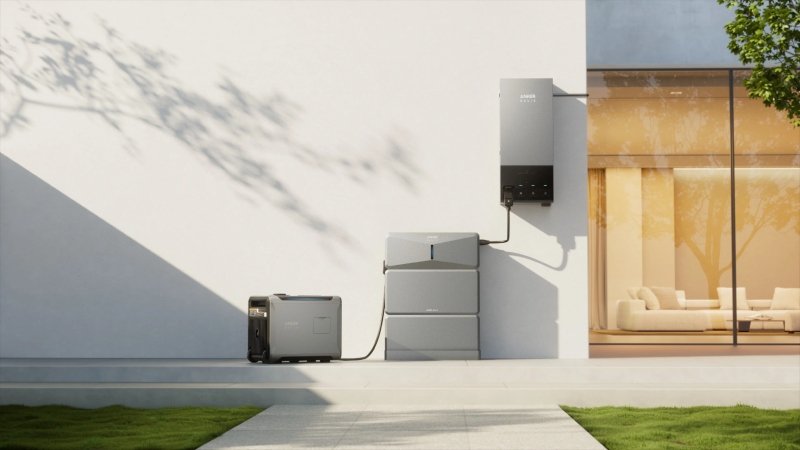
Solar charging gives off-grid users a reliable way to produce their own electricity without fuel deliveries or noisy generators. Photovoltaic (PV) panels capture sunlight and convert it into usable power for lights, appliances, and tools, even in remote locations. With the right system design, homeowners, van lifers, and cabin owners can run daily essentials and expand capacity over time. Modern solar equipment is more efficient, affordable, and durable than ever. Battery storage keeps power available at night or during bad weather. This combination makes solar charging a strong foundation for stable, independent off-grid living.
Key Benefits of Solar Charging for Off-Grid Living
Solar charging offers independence from the grid, reduces environmental impact, and cuts long-term energy costs. Off-grid systems provide reliable, quiet electricity with minimal maintenance and excellent flexibility in remote locations.
Energy Independence and Full Control
Off-grid solar charging lets you control how you generate and use electricity instead of relying on distant utilities or fuel supplies. You size the system to match your real needs, from basic lighting to full-time home power. Batteries store excess energy, so you can ride through outages, storms, or seasonal changes. You choose when to upgrade, expand, or add backup sources like generators. This control reduces exposure to rising energy prices, surprise outages, and utility restrictions, giving you more stability and predictability in daily life.
Clean, Renewable, and Eco-Friendly Power
Solar charging uses sunlight, a renewable resource that does not run out or produce emissions during operation. Panels generate electricity quietly, with no smoke, fumes, or fuel spills. Off-grid users often pair solar with efficient appliances, LED lighting, and smart energy habits, which further cut overall consumption. Over time, solar systems can offset significant amounts of carbon compared with diesel or gas generators. This cleaner footprint benefits local air quality and helps protect natural landscapes, an important advantage for cabins, camps, and off-grid homes in sensitive environments.
Long-Term Cost Savings and Low Maintenance
While solar charging systems require upfront investment, they often pay for themselves through lower operating costs. Sunlight is free, and modern panels can last 25 years or more with minimal performance loss. Routine maintenance usually involves occasional cleaning, visual checks, and basic electrical inspections. There are no recurring fuel deliveries, fewer moving parts than generators, and less risk of sudden breakdowns from heavy mechanical wear. Over the system’s life, these savings can outweigh initial costs, making off-grid solar one of the most cost-effective power strategies for long-term users, especially when paired with a backup generator for house to ensure continuous power during extended low-sun periods.
How Solar Charging Systems Work Off the Grid?
Off-grid solar systems capture energy from sunlight, store it in batteries, and convert it into usable electricity. Each component works together to deliver steady, reliable power day and night.
Core Components: Panels, Batteries, and Inverters
An off-grid solar charging setup starts with photovoltaic panels that mount on roofs, ground racks, or vehicle roofs. These panels produce direct current (DC) electricity whenever sunlight hits them. Charge controllers regulate this flow to protect the battery bank from overcharging. Deep-cycle batteries then store the energy for later use. An inverter converts stored DC power into alternating current (AC), which most household appliances require. Wiring, fuses, and monitoring tools connect everything safely, allowing users to track production, storage levels, and consumption in real time.
How Energy Is Generated, Stored, and Used
During daylight, solar panels generate DC electricity that passes through a charge controller into the battery bank. The controller optimizes charging and prevents damage from overvoltage. When you plug in an appliance, the inverter draws energy from the batteries and converts it into AC power. If production exceeds usage, batteries fill to their set capacity. After sunset or on cloudy days, loads run directly from stored energy. Proper system sizing balances panel output, battery storage, and expected daily usage to keep power available around the clock.
Practical Applications of Solar Charging in Off-Grid Scenarios
Off-grid solar charging supports many real-world uses, from powering remote homes and vehicles to providing reliable backup during emergencies and enabling flexible, sustainable outdoor and mobile lifestyles.
Powering Remote Homes, Cabins, and RVs
Remote homes and cabins often sit far from traditional power lines, making grid connection expensive or impossible. Solar charging offers a practical alternative that scales from small weekend cabins to full-time residences. Systems can run lighting, refrigeration, communications, water pumps, and entertainment devices with proper design. RV owners and van dwellers mount panels on their roofs to charge onboard batteries while they travel or camp. This setup reduces reliance on campground hookups and generators, allowing for quiet stays in more isolated locations without sacrificing key comforts.
Supporting Emergency Backup and Disaster Preparedness
Solar charging systems can provide crucial backup power when storms, wildfires, or grid failures cut electricity. A well-sized battery bank keeps essential loads running: refrigerators, medical devices, communication gear, and basic lighting. Unlike fuel-based generators, solar systems do not depend on fuel deliveries, which often face disruption during emergencies. Panels resume charging as soon as the sun returns, making the system self-sustaining. Homeowners and community shelters can integrate dedicated backup circuits to ensure critical devices stay powered, improving safety and resilience during both short and extended outages.
Enabling Sustainable Outdoor and Mobile Lifestyles
Outdoor enthusiasts, digital nomads, and overlanders use solar charging to stay powered far from towns and campgrounds. Portable panels and foldable kits charge phones, cameras, laptops, and navigation tools. Larger roof-mounted or ground-deployed systems support fridges, fans, and small power tools. This independence reduces the need to idle engines or hunt for outlets, cutting noise and emissions. People can explore remote areas longer while keeping devices online for work, safety, and communication. Solar charging thus supports a modern, mobile lifestyle that respects natural surroundings and reduces environmental impact.
Conclusion
Solar charging offers a smart path to off-grid power by combining independence, environmental benefits, and long-term savings. With panels, batteries, and inverters working together, users can generate, store, and use electricity wherever they choose to live or travel. From remote cabins to mobile homes and emergency backup setups, solar systems adapt to many needs and budgets. As equipment costs fall and efficiency improves, solar charging becomes even more attractive. Choosing this technology gives you greater control over your energy future while lowering your reliance on fossil fuels and centralized power grids. At Disquantified.com, we believe that true creativity starts with the heart. And when shared with purpose, it can leave a lasting mark.