
Sports content is one of the most competitive categories in digital publishing. Whether it’s game recaps, opinion pieces, or long-form analysis, thousands of articles are published daily. But what separates high-performing sports articles from the rest? The answer is increasingly found in data.
Below is a statistical breakdown of what makes sports writing more effective, engaging, and shareable—based on industry benchmarks and content performance trends.
1. Article Length: How Much Is Enough?
Key stats:
- Articles between 1,200–1,800 words generate ~56% more organic traffic than shorter posts.
- Long-form sports analysis (2,000+ words) earns 77% more backlinks on average.
- However, news-style sports articles under 800 words still dominate in real-time coverage.
Insight:
There’s a split in performance:
- Short-form (500–800 words): Best for breaking news, scores, and updates.
- Long-form (1,200+ words): Best for SEO, storytelling, and in-depth analysis.
What works best:
A hybrid strategy—quick updates paired with deeper follow-up pieces.
2. Headlines: The Click-Through Driver
Key stats:
- Articles with numbers in headlines (e.g., “Top 5 Plays”) see a 36% higher click-through rate (CTR).
- Headlines under 60 characters perform best in search.
- Emotional or curiosity-driven headlines increase CTR by 20–30%.
Insight:
Sports audiences respond strongly to urgency and specificity.
Examples that outperform:
- “7 Stats That Explain Last Night’s Upset”
- “What Everyone Missed in the Final Quarter”
3. Use of Data and Statistics in Content
Key stats:
- Articles that include at least 3–5 statistics see 30% higher engagement time.
- Data-driven sports content is 2.3x more likely to be shared.
- جمهور (audience) trust increases by 40% when claims are backed by data.
Insight:
Sports fans value analysis—not just opinion. Stats validate arguments and deepen credibility.
Best practice:
Blend storytelling with stats rather than overwhelming readers with raw numbers.
4. Readability and Structure
Key stats:
- Articles with short paragraphs (2–4 lines) improve readability by 58%.
- Use of subheadings increases time-on-page by 23%.
- Bullet points and lists can improve information retention by up to 40%.
Insight:
Even hardcore fans skim. Structure matters as much as substance.
What works best:
- Clear sections
- Scannable formatting
- Logical flow (game → analysis → takeaway)
5. Images and Visual Content (Critical Section)
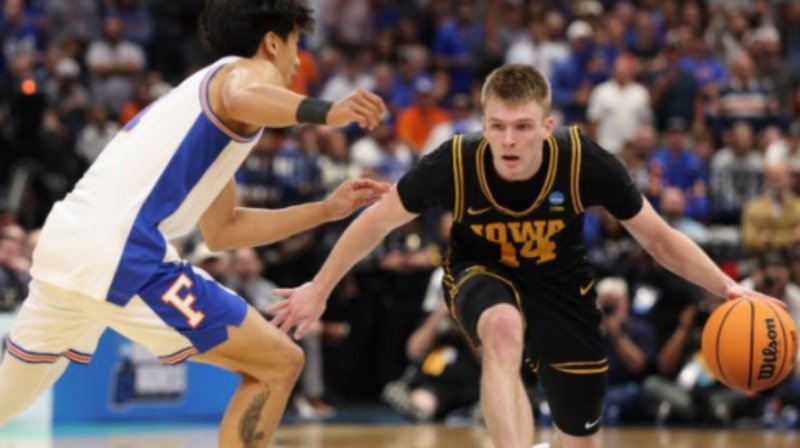
Images are often underutilized in sports writing, despite being one of the highest-impact elements.
Key stats:
- Articles with relevant images every 75–150 words get up to 94% more views.
- Adding just one image increases engagement by 38%.
- Posts with infographics or charts are shared 3x more often.
- Sports articles with action shots see higher emotional engagement scores (up to +45%).
Types of images that perform best:
- Action shots (goals, tackles, celebrations)
- Data visualizations (player stats, heat maps)
- Before/after comparisons (performance over time)
- Fan or stadium atmosphere images
Insight:
Sports are visual by nature. Articles that “show” the moment perform significantly better than those that only describe it.
Best practice:
- Use images to support key moments or stats
- Include captions with context
- Avoid generic stock photos—use editorial game day images instead
6. Timing and Publishing Frequency
Key stats:
- Publishing within 15–30 minutes of a major sports event increases traffic spikes by up to 300%.
- Updating articles post-publication improves rankings by 20–40%.
- Consistent posting (3–5 times per week) leads to 67% more returning readers.
Insight:
Speed + consistency = growth.
7. Engagement Metrics That Define “Better” Content
High-performing sports articles tend to hit these benchmarks:
- Average time on page: 3–5 minutes
- Bounce rate: Below 60%
- Social shares: 2x higher than non-sports niches
- Comments/interactions: Strong indicator of fan engagement
Key driver:
Content that sparks debate (rankings, opinions, controversial calls) often outperforms purely factual reporting.
8. Storytelling vs. Reporting
Key stats:
- Narrative-driven articles see 35% higher completion rates.
- Opinion/editorial pieces generate 2x more comments.
- Pure match reports have shorter lifespans (24–48 hours) compared to evergreen analysis.
Insight:
Facts bring readers in, but storytelling keeps them there.
Final Takeaways
The most effective sports articles combine:
- Timeliness (publish fast)
- Depth (include meaningful stats)
- Structure (easy to scan)
- Visuals (images and data graphics)
- Narrative (tell a story, not just results)
The Formula for High-Performing Sports Content:
Fast + Data-Driven + Visually Engaging + Well-Structured = Maximum Impact
If you’re writing about sports, you’re not just competing on information, you’re competing on experience. The data is clear: readers stay longer, engage more, and share more when content is both analytical and visually compelling. At Disquantified.com, we believe that true creativity starts with the heart. And when shared with purpose, it can leave a lasting mark.