
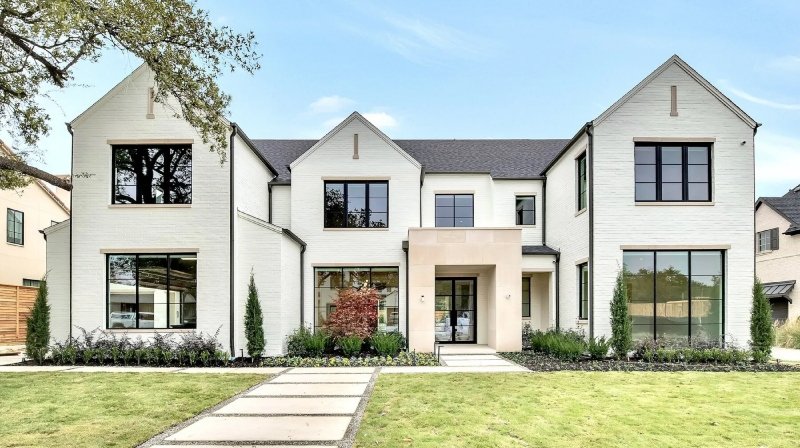
Building a custom home is exciting. It’s your opportunity to shape every detail around your lifestyle—how you cook, relax, entertain, and spend time with family. But anyone who has gone through the process knows it can also feel overwhelming.
There are designers, engineers, council approvals, trades, suppliers, budgets, and timelines to manage. When these pieces aren’t aligned, delays and confusion can quickly follow.
That’s where a full-service approach makes a real difference. By bringing design and construction under one coordinated process, homeowners experience a smoother, more streamlined journey from concept to completion.
Let’s explore why that matters.
One Vision, One Team
In a traditional building process, homeowners often hire a designer or architect first, then approach a separate builder to price and construct the project. While this can work, it sometimes creates gaps in communication.
For example, a designer might draw a stunning open-plan layout with dramatic ceiling heights and large glass panels. But once the builder reviews the plans, budget constraints or structural challenges may require changes. This back-and-forth can cause delays and frustration.
A unified team helps prevent that disconnect.
When design and construction professionals collaborate from day one, they consider aesthetics, structure, and cost simultaneously. The result is a plan that is both beautiful and practical.
Think of it like producing a film. If the director and production team work closely together from the start, the creative vision and logistical execution align. The same principle applies to home building.
Understanding how different disciplines connect—such as architecture and construction management—ensures that your dream home isn’t just visually appealing but structurally sound and efficiently built.
Clear Communication Reduces Stress
One of the biggest causes of stress during a custom build is miscommunication. When multiple companies are involved, messages can get lost between designers, engineers, and contractors.
A full-service model centralizes communication. Instead of coordinating between separate parties, you speak with one team that manages everything internally.
Let’s say you decide to move a wall slightly to create a larger pantry. In a fragmented system, that change may require revised drawings, updated engineering calculations, and renegotiated costs across different companies.
With an integrated team, those conversations happen faster and more efficiently. Adjustments can be reviewed immediately with input from both design and construction experts.
Everyday life, we see the value of streamlined communication. In healthcare, integrated clinics allow doctors and specialists to share information easily. In business, cross-functional teams solve problems more effectively than siloed departments.
The same logic applies to home building.
Budget Transparency From the Start
Budget surprises are one of the most common concerns for homeowners. When design and construction are handled separately, initial design concepts may exceed realistic construction costs.
An integrated approach addresses financial considerations early. As designs develop, their cost implications are reviewed. That means fewer unexpected expenses later.
For example, if you’re considering high-end finishes or custom features, the team can explain how those choices impact your overall budget in real time. You can adjust materials or layouts before plans are finalized.
This proactive budgeting creates clarity and confidence.
It’s similar to planning a wedding or launching a product. If you understand the costs at each stage, you can make informed trade-offs rather than scrambling to cut expenses at the last minute.
A seamless custom home isn’t just about design—it’s about financial alignment too.
Faster Timelines, Fewer Delays
Time is another critical factor.
When designers and builders operate independently, the handover between planning and construction can slow down the process. Clarifications, revisions, and approvals may extend timelines beyond expectations.
In a coordinated system, documentation flows more efficiently. Engineering, approvals, and site preparation are scheduled strategically to minimize downtime.
Because the team is already aligned on materials, structure, and construction methods, work can progress with fewer interruptions.
This doesn’t mean the process is rushed. Quality still requires patience. But it does mean fewer avoidable setbacks.
Homeowners often find that a structured, unified process feels calmer and more predictable than juggling multiple service providers.
Accountability at Every Stage
When separate companies handle design and construction, accountability can become blurred. If a problem arises, responsibility may be debated between parties.
With a unified approach, the same team oversees the entire journey. That clarity strengthens accountability and encourages problem-solving rather than finger-pointing.
For homeowners, this provides peace of mind. You know who to call if questions arise. You know who is responsible for delivering the final result.
If you’re researching how an integrated process works in practice, exploring providers that offer full-service home design and build solutions can help you understand how planning, budgeting, and construction are managed under one coordinated framework.
Seeing how the process is structured allows you to evaluate whether it aligns with your expectations.
Design That Reflects Real Life
Modern homes are no longer just about square footage. They’re about flexibility, comfort, and functionality.
Many families today work remotely, host gatherings, and prioritize energy efficiency. A full-service team considers these evolving needs from the beginning.
For example:
- A home office can be positioned to maximize natural light.
- Living areas can flow seamlessly into outdoor entertaining spaces.
- Storage can be built strategically into high-traffic zones.
- Energy-efficient materials can be selected early in the design stage.
Because designers and builders collaborate closely, practical construction knowledge informs creative ideas. That balance ensures your home is not only beautiful but also easy to live in.
A More Enjoyable Experience Overall
Building a home should be exciting, not exhausting.
When communication is clear, budgets are transparent, and timelines are realistic, the experience becomes far more enjoyable. You can focus on personalizing your space rather than managing logistics.
A unified process simplifies decision-making. Instead of feeling like you’re coordinating a complex network of contractors, you’re guided step by step.
And that guidance matters.
Just like hiring a travel planner for a multi-country trip or working with a financial advisor for long-term investments, expert coordination reduces overwhelm and increases confidence.
Final Thoughts
Seamless custom homes don’t happen by accident. They’re the result of thoughtful planning, collaborative teamwork, and aligned vision.
By integrating design and construction under one structured process, homeowners benefit from:
- Clear communication
- Realistic budgeting
- Efficient timelines
- Strong accountability
- Practical, lifestyle-driven design
A full-service approach doesn’t eliminate every challenge—construction will always require coordination and patience—but it does create a smoother path forward.
When your design vision and construction strategy move in the same direction from day one, the result is more than just a completed house.
It’s a home built with clarity, confidence, and cohesion from start to finish. At Disquantified.com, we believe that true creativity starts with the heart. And when shared with purpose, it can leave a lasting mark.