
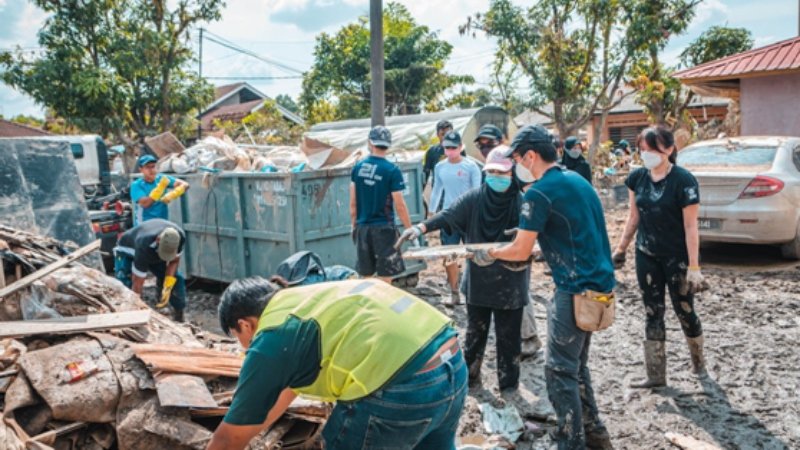
Crises rarely arrive without warning. Whether it’s a natural disaster, a public health emergency, or a major infrastructure failure, communities often have hints that something could go wrong. The challenge isn’t knowing that risks exist. It’s deciding how to prepare for them in ways that actually work when it matters most.
For a long time, preparation focused almost entirely on response. Sirens, emergency plans, and first responders were seen as the main line of defense. While those elements are still critical, many communities have learned the hard way that response alone isn’t enough. Recovery can take years, systems can fail under pressure, and the most vulnerable residents often face the longest road back to stability.
Today, community preparation is shifting toward a broader, more thoughtful approach. It includes education, planning, coordination, and long-term thinking. Instead of asking only “What do we do when something happens?” communities are starting to ask a deeper question: “How do we stay strong before, during, and after a crisis?”
That question leads directly to the framework guiding modern preparedness efforts.
Disaster Resilience and How it Shapes Community Preparedness
To understand how communities prepare in a meaningful way, it helps to start with a clear understanding of why it matters so much in planning. So, what is disaster resilience? Disaster resilience goes beyond emergency response. It focuses on a community’s ability to withstand disruptions, adapt to challenges, and recover in ways that reduce future risk.
Rather than viewing disasters as isolated events, this approach looks at long-term conditions, social, economic, and environmental factors that affect how people experience and recover from crises. It recognizes that preparation isn’t just about supplies or procedures. It’s also about strong social networks, access to resources, and systems that can adjust under stress. By emphasizing recovery, learning, and adaptation, resilience-based planning helps communities not just bounce back, but move forward with greater stability.
This perspective has reshaped how preparedness is taught, funded, and implemented at local levels.
Moving Beyond Emergency Response
Emergency response will always play a vital role in crises. First responders, medical teams, and coordinated communication can save lives in the moment. But focusing only on response leaves gaps that become visible once the immediate danger passes.
Communities that rely solely on reaction often struggle during recovery. Roads may remain damaged, schools may close for long periods, and residents may lack access to basic services. Preparedness that includes resilience planning looks at these long-term impacts ahead of time.
By identifying potential weak points, like housing shortages, limited transportation, or overburdened healthcare systems, communities can reduce disruption and speed up recovery. This proactive mindset shifts preparedness from a checklist to an ongoing process.
Education as the Foundation of Preparedness
Education plays a central role in how communities prepare for a crisis. When people understand risks and know how systems work, they are better equipped to respond calmly and effectively. This applies not just to emergency workers, but to residents of all ages.
Schools, universities, and public programs increasingly include preparedness topics in their curriculum. These efforts teach practical skills, such as evacuation planning and resource management, while also explaining broader concepts like community coordination and recovery planning.
Public education campaigns also matter. Clear, accessible information builds trust and reduces confusion during emergencies. When residents know where to get reliable updates and what steps to take, response efforts become more effective and less chaotic.
Infrastructure That Supports Stability
Strong infrastructure is one of the most visible signs of community preparedness. Roads, power grids, water systems, and communication networks all play critical roles during a crisis. When these systems fail, even well-planned responses can fall apart.
Prepared communities invest in infrastructure that can handle stress. This might include backup power sources, reinforced transportation routes, or flexible communication systems that remain functional during disruptions. Planning also involves maintaining and updating existing systems, not just building new ones.
Infrastructure planning tied to resilience looks ahead. It asks how systems will perform under extreme conditions and how quickly they can be restored. These decisions have lasting effects on safety and recovery.
Local Leadership and Community Coordination
Preparation doesn’t happen in isolation. Local leadership plays a key role in bringing together government agencies, nonprofits, healthcare providers, and residents. Coordination before a crisis builds relationships that matter when quick decisions are needed.
Communities with strong coordination tend to recover faster because roles are clear and communication lines are already established. Leaders who involve residents in planning also build trust, which helps reduce fear and misinformation during emergencies.
Preparedness works best when it’s shared. When people understand how their actions fit into the larger plan, they’re more likely to participate and support one another.
Addressing Inequality in Crisis Preparedness
Not all communities experience crises in the same way. Disasters often hit harder where resources are limited, housing is unstable, or access to healthcare is uneven. Preparedness that ignores these realities leaves many people at greater risk.
Resilience-focused planning actively considers inequality. It asks who might need extra support and how to ensure information and resources reach everyone. This might include language-accessible communication, transportation planning for those without vehicles, or targeted support for elderly and disabled residents.
Inclusive preparedness strengthens the entire community. When vulnerable populations are supported, recovery becomes more stable and equitable.
Learning From Past Crises
Every crisis offers lessons, though they are often learned under difficult circumstances. Communities that review what worked and what didn’t are better positioned for the future.
This learning process includes collecting data, listening to residents, and updating plans based on real experiences. Preparedness is not a static document. It evolves as conditions change and new risks emerge.
By treating each crisis as an opportunity to improve, communities gradually build stronger systems and smarter responses.
True preparedness isn’t a one-time effort. It’s a mindset that becomes part of everyday planning and decision-making. Communities that value preparedness tend to think long-term, invest in education, and encourage participation at all levels.
This culture benefits more than just disaster response. It supports stronger social connections, better infrastructure, and more informed leadership. Over time, these qualities make communities more adaptable, not just in crises, but in the face of ongoing change.
Understanding how communities prepare for crisis means looking beyond sirens and emergency plans. It means recognizing preparation as a shared responsibility, grounded in resilience, learning, and cooperation. When communities plan with that perspective, they don’t just survive disruption; they grow stronger through it. At Disquantified.com, we believe that true creativity starts with the heart. And when shared with purpose, it can leave a lasting mark.