
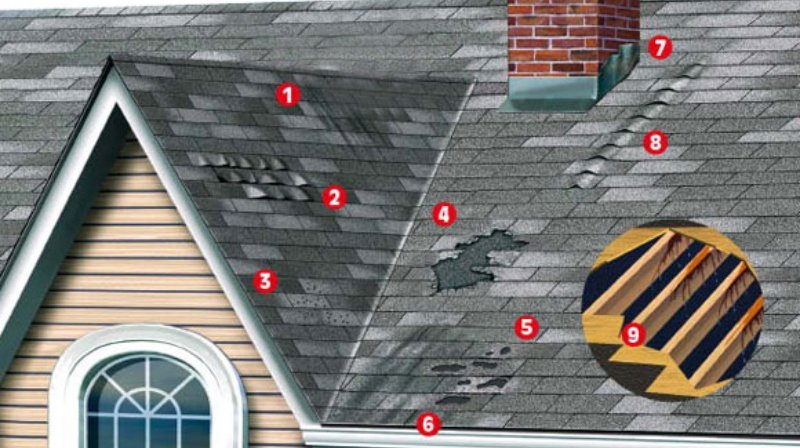
The first signs of roof failure often include missing or damaged shingles, water stains inside the home, sagging roof sections, excessive granule loss, and rising moisture levels in the attic. Identifying these warning signs early can help homeowners avoid costly repairs and prevent minor issues from developing into major structural problems. Because a roof protects every part of a home from the elements, even small defects can have serious consequences if left unaddressed.
Many people rely on experienced contractors such as Royalty Roofing to inspect and address roofing concerns before they lead to extensive damage. Understanding the early indicators of roof failure is one of the best ways to protect your property and extend the life of your roofing system.
Missing or Damaged Shingles
One of the most visible signs of roof deterioration is damaged shingles.
Shingles are designed to shield the roof from rain, wind, sunlight, and temperature changes. Over time, they can crack, curl, blister, or become completely detached due to age or severe weather. When shingles lose their ability to provide adequate protection, the underlying layers of the roof become exposed to moisture and other environmental hazards.
Homeowners should periodically inspect their roof from the ground and look for uneven areas, missing shingles, or sections that appear worn. Addressing these problems early can prevent more extensive damage later.
Granules Accumulating in Gutters
As asphalt shingles age, they gradually lose the protective granules that help shield them from ultraviolet rays and weather-related wear.
While some granule loss is normal over time, excessive amounts collecting in gutters or downspouts may indicate that the shingles are reaching the end of their lifespan. Without these protective granules, shingles deteriorate more quickly and become increasingly vulnerable to cracking and water penetration.
If large amounts of granules are consistently appearing around the property, it may be time to schedule a professional roof inspection.
Water Stains on Ceilings and Walls
Interior water stains are often among the earliest signs that a roofing problem has progressed beyond the exterior surface.
Brown or yellow discoloration on ceilings and walls may indicate that water is entering through damaged roofing materials. In some cases, the source of the leak may be far from where the stain appears, making professional evaluation important.
Even a small leak can cause significant damage over time, including mold growth, weakened insulation, damaged drywall, and deterioration of structural components. Prompt action can help limit repair costs and prevent further complications.
A Sagging Roofline
A healthy roof should maintain a relatively straight and even appearance.
If portions of the roof appear to sag, dip, or bow, this may indicate underlying structural issues. Sagging can result from prolonged moisture exposure, rotting roof decking, weakened support structures, or excessive weight from trapped water.
Unlike cosmetic issues, a sagging roof may signal a serious safety concern. Homeowners who notice changes in the roof’s shape should seek professional evaluation as soon as possible to determine the cause and appropriate solution.
Increased Energy Bills
Roof failure does not always begin with visible damage.
In some cases, homeowners notice higher heating and cooling costs before they observe any obvious roofing issues. Damaged roofing materials, deteriorated insulation, or ventilation problems can allow conditioned air to escape and outdoor air to enter the home.
As a result, HVAC systems must work harder to maintain comfortable indoor temperatures. While rising utility bills can have multiple causes, unexplained increases may warrant a closer look at the condition of the roof and attic.
Mold, Mildew, and Moisture in the Attic
The attic often provides important clues about a roof’s condition.
Excess moisture, mold growth, mildew odors, or damp insulation can indicate that water is entering through the roofing system. These issues may develop gradually and remain unnoticed until significant damage has occurred.
Routine attic inspections can help homeowners identify early warning signs before leaks become severe. Proper ventilation also plays an important role in preventing moisture accumulation that can contribute to roof deterioration.
Flashing and Sealant Deterioration
Flashing is installed around roof penetrations, chimneys, skylights, and vents to prevent water intrusion.
Over time, flashing can loosen, corrode, crack, or separate from surrounding materials. Sealants may also dry out and lose effectiveness. Because these areas are common entry points for water, deterioration can lead to leaks even when the rest of the roof appears to be in good condition.
Regular inspections can help identify flashing problems before they result in significant damage.
Why Early Detection Matters
Roof failure rarely occurs overnight. Most roofing systems show warning signs long before major problems develop. The sooner these signs are recognized, the more options homeowners typically have for repairs.
Early intervention can extend the life of the roof, reduce repair costs, and help prevent damage to other parts of the home. Waiting until leaks become severe or structural issues appear often results in more expensive and disruptive repairs.
Key Takeaways
- Missing, cracked, or curling shingles are common early signs of roof failure.
- Excessive granule loss can indicate aging or deteriorating shingles.
- Water stains inside the home may signal roof leaks.
- A sagging roofline can point to serious structural problems.
- Rising energy bills may be linked to roofing or ventilation issues.
- Moisture, mold, or mildew in the attic should never be ignored.
- Damaged flashing and sealants can allow water to enter the home.
- Early detection and professional inspections can help prevent costly repairs and extend roof lifespan.