
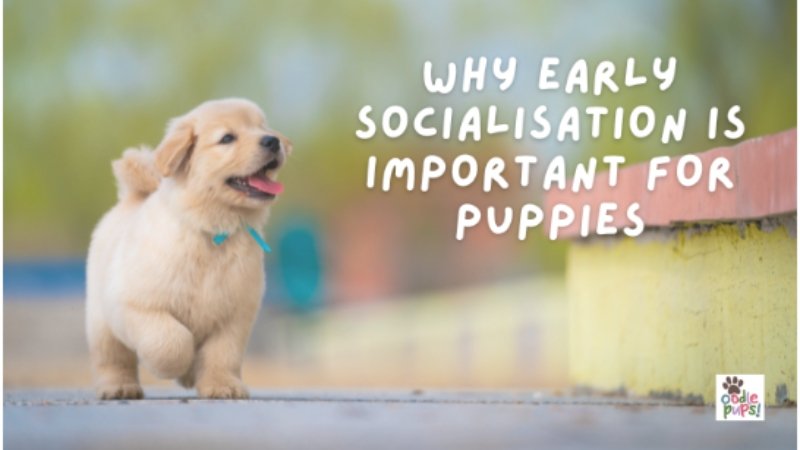
Early socialisation influences how a puppy experiences the world for the rest of its life. The first few weeks may seem like simple, playful moments. But they heavily affect a pup’s confidence, reactions, and behaviour as it grows.
Generally, a young dog that meets different people, animals, and environments early grows up relaxed and confident. That’s why many responsible breeders, like www.oodlepups.com.au, begin this socialisation process well before pups leave for their new homes.
To help new owners, this article covers the socialisation window, puppy training, pup school, and practical tips for busy families. Read on to see exactly what your pup needs and when.
What Puppy Socialisation Actually Means (and Why It Starts Early)
Puppy socialisation is the process of gradually exposing young dogs to new people, animals, places, and experiences in a positive way. It also helps build familiarity, one small encounter at a time, rather than overwhelming a pup.
However, most people think socialisation means setting playdates with other dogs. In reality, sounds, surfaces, strangers, children, and everyday household chaos all count.
In particular, two things influence how well this process goes:
The Socialisation Window: Your Puppy’s Most Teachable Weeks
The major socialisation period runs from roughly 3 to 14 weeks of age. And what a pup encounters during this window wires how it reacts to the world later on (even something as simple as a hat can startle an unsocialised puppy). And frequent fearful responses often indicate that owners missed or rushed this period.
Considering this, Brisbane breeders like Oodle Pups begin socialisation inside the family home from birth. We handle the pups daily and introduce them to household sounds, children, and routine well before rehoming.
The mother and siblings play a role here too. Early interactions with littermates teach bite pressure and how to read basic signals from other animals.
What Good Behaviour Looks Like When Socialisation Works
A well-socialised dog greets strangers without barking, recovers quickly from surprises, and stays relaxed in new environments. Such good behaviour comes from emotional steadiness in everyday situations rather than perfect obedience.
On the flip side, biting, lunging, and excessive barking are common signs that a young dog didn’t get enough positive experiences. These behaviours are not personality flaws, but rather gaps in prior learning that appear much later.
Ultimately, a pup raised with varied experiences and calm handling grows into a dog you can take anywhere confidently.
Puppy Training, Play, and the People Your Dog Needs to Meet
During training, most owners focus on commands first, but who and what your puppy meets early on is just as important. In fact, puppy training works best alongside socialisation, as the two processes reinforce each other naturally.
Consider everything your dog will meet in a typical week: strangers at the park, children on bikes, other dogs at the gate, delivery drivers, umbrellas, and prams. If a young dog misses these early experiences, it will develop a fear of new situations and people.
Here are the types of people, animals, and experiences worth introducing:
- Introduce a Wide Circle: Exposure should include children, men with beards, hats, bikes, and anything else your pup will regularly encounter. The goal here is to teach your young dog that new people and new situations aren’t something to fear.
- Use Play as a Teaching Tool: Fun games with other puppies and vaccinated dogs teach skills no training session can fully replicate. These encounters develop bite inhibition, reading body language, and knowing when to back off.
- Chew Toys and Mental Stimulation: Chew toys are good for sore gums. They also redirect biting, build focus, and keep a curious pup engaged between socialisation outings. As a result, your dog is getting fun and function in one.
Simply put, play is how young dogs explore their world. But it’s also how they learn to respect boundaries with other animals and new people. And once you’ve started those initial introductions, the next step is whether you should consider a structured puppy school.
Puppy School: Is It Worth It?
For most puppies, the answer is yes. Puppy school provides structured socialisation and initial training in a group setting. This helps puppies learn how to interact with other dogs and people while practising basic commands.
From what we’ve observed after raising puppies, the group environment does much of the mandatory social learning for you. So, before you enrol your pup, there are two things you need to know:
What Happens at Puppy School
In puppy school, coaching sessions usually include supervised play, basic sit and drop commands, and handling exercises. Plus, qualified trainers guide owners on reading dog body language and spotting early problem behaviours before they take hold.
What’s more, most schools accept pups from around 8 weeks of age, shortly after their first vaccination. Still, your vet can further advise on the right timing based on your pup’s health history.
Honestly, the group environment is where the real learning happens. A young dog figures out how to interact with other puppies, read social cues, and calm down after excitement.
Dog Training Beyond the Basics: Building Confidence at Home
Home dog training reinforces the same lessons from puppy school and helps maintain consistent progress. Because of this, short, positive training sessions of 5 to 10 minutes daily are far more productive than one long weekly effort. Pups learn at their own pace, and shorter bursts keep their curiosity alive.
Confidence-building exercises count here too. Introducing new surfaces, sounds, and objects around the house encourages a young dog to investigate rather than retreat (a wobble board works surprisingly well here). Crate training also helps at this stage, as it gives a pup a calm, clean environment to decompress and reduces separation anxiety over time.
Beyond these, mental stimulation through reward-based activities and varied experiences keeps them engaged between formal training sessions. And if you want to be more hands-on, exercise, routine, and calm handling can guide the puppy’s learning even more.
With the basics of socialisation in place, here’s how busy households can keep the momentum going.
Raising Family Pets: Socialisation Tips for Busy Households
Frankly, you don’t need a training schedule stuck to the fridge to socialise your dog in a busy schedule. Everyday life at home is already full of natural opportunities to adjust to things like the doorbell, the vacuum cleaner, a visitor dropping in, and kids running through the hall.
Here’s a simple breakdown of what to focus on at each stage:
| Stage | What to Do | Why It Helps |
| Week 1-2 at home | Introduce routine, handling, and calm contact | Builds trust and reduces fear early |
| Week 3-4 | Exposure to children, visitors, and household sounds | Teaches pup that activity isn’t a threat |
| Week 5-8 | Introduce other dogs, new environments, and short outings | Builds confidence outside the home |
| Ongoing | Reward calm behaviour, encourage curiosity | Reinforces good behaviour long-term |
For families near Penrith, local parks, pet-friendly cafés, and community spaces provide fun opportunities for socialising a young puppy. These environments let your dog explore safely, interact with other pets, and meet different kinds of people.
Specifically, children are natural socialisation partners for a young pup. A dog that grows up around children rarely develops aggressive behaviour toward them. So, teach kids to approach calmly, avoid pulling ears, and respect signs of discomfort.
Suggestion: If your young dog is showing ongoing signs of fear or stress despite positive exposure, speak to a veterinarian for support. Early intervention can prevent these behavioural problems from becoming more serious over time.
Your Pup’s Confidence Starts Here
Puppies need consistent socialisation during their initial weeks. Experiences during this period influence their confidence and behaviour as they grow.
A young dog that learns the world is safe, predictable, and full of friendly faces develops into a pet that is easier to live with. This confidence grows through consistent exposure, calm handling, and patience from everyone in the family.
If you’re looking for a pup already off to a great start, Oodle Pups raises multi-generational Labradoodles in a family home environment, with socialisation and basic training.
Reach out to our team to find out more about upcoming litters. At Disquantified.com, we believe that true creativity starts with the heart. And when shared with purpose, it can leave a lasting mark.