
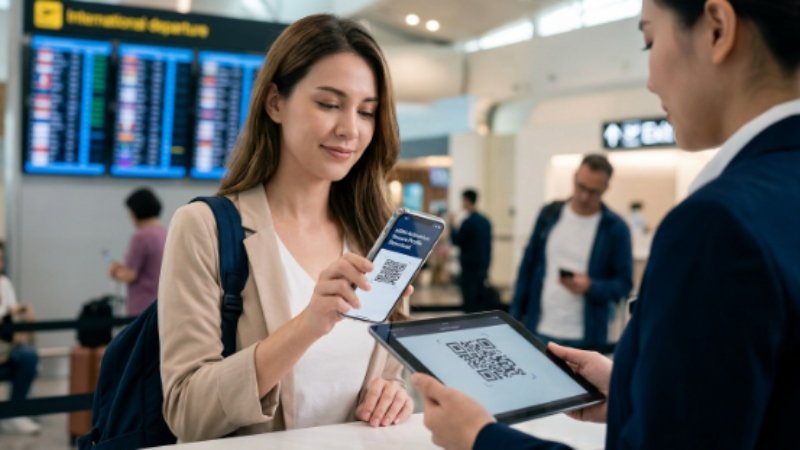
Traveling abroad is an exciting experience, but staying connected securely is just as important as visiting new destinations. Whether you’re checking your bank account, accessing work emails, or using navigation apps, your personal information can be exposed if you rely on unsecured internet connections. Fortunately, modern mobile technology offers a safer way to stay online. Understanding how an eSIM works can help travelers enjoy reliable connectivity while reducing common security risks.
What is an eSIM?
An eSIM, or embedded SIM, is a digital SIM card built directly into compatible smartphones, tablets, and other connected devices. Instead of inserting a physical SIM card, users can download and activate a mobile data plan electronically. This eliminates the need to swap SIM cards when crossing borders and makes it easier to switch between mobile carriers.
Enhanced Security Without Physical SIM Cards
Traditional SIM cards can be lost, stolen, or damaged during travel. If someone gains access to your physical SIM, they may be able to misuse your phone number or interrupt your mobile service.
Since an eSIM is embedded inside your device, it cannot be physically removed or easily tampered with. This added layer of protection reduces the risk of SIM theft and makes your mobile connection more secure while you’re on the move.
Reduced Risk of SIM Swapping
SIM swapping is a type of fraud in which criminals transfer your phone number to another SIM card to intercept authentication codes and gain access to sensitive accounts.
Although no technology can eliminate every threat, eSIM activation generally requires digital authentication through your mobile provider, making unauthorized SIM transfers more difficult than with traditional physical SIM cards. Combined with strong account security, this helps lower the risk of SIM swap attacks.
Secure Access to Mobile Networks
Many travelers rely on public Wi-Fi at airports, hotels, cafés, and shopping centers. While convenient, these networks are often unsecured and vulnerable to cyber threats.
Using mobile data through an eSIM instead of public Wi-Fi provides a more secure connection for activities such as:
- Online banking
- Shopping online
- Accessing work documents
- Sending private messages
- Video conferencing
This allows you to reduce your dependence on potentially unsafe public networks.
Easier Carrier Switching Without Sharing Personal Information
Purchasing local SIM cards often requires visiting a store, presenting identification, and handling physical cards. This process can sometimes expose personal information unnecessarily.
With an eSIM, travelers can activate compatible data plans digitally before departure or upon arrival, minimizing paperwork and reducing the need to interact with unfamiliar vendors.
Multiple Profiles for Greater Flexibility
Many modern smartphones support multiple eSIM profiles. Travelers can keep their primary number active for calls and authentication while using a separate data plan for international internet access.
This separation offers several benefits:
- Maintain access to important verification messages.
- Avoid unexpected roaming charges.
- Keep personal and travel connectivity organized.
- Switch between plans without removing hardware.
Quick Recovery if Your Device Is Lost
If your phone is lost or stolen during a trip, recovering connectivity can be easier with an eSIM than with a traditional SIM card. Depending on your mobile provider, you may be able to deactivate your existing profile remotely and activate a replacement on a compatible device without waiting for a physical SIM card to arrive.
Best Practices for Protecting Your Data While Traveling
While eSIM technology improves connectivity security, travelers should also follow other cybersecurity best practices:
- Enable two-factor authentication on important accounts.
- Keep your phone’s operating system updated.
- Use strong, unique passwords.
- Install apps only from trusted app stores.
- Avoid connecting to unknown public Wi-Fi networks.
- Enable device tracking and remote wipe features.
- Lock your phone with biometric authentication or a strong PIN.
Combining these habits with eSIM technology creates a stronger defense against common travel-related cyber threats.
Why Travelers Are Choosing Digital Connectivity
As international travel becomes more connected, digital SIM technology offers both convenience and improved security. Travelers can activate mobile plans quickly, avoid handling physical SIM cards, and enjoy safer internet access throughout their journeys.
Providers such as Holafly have helped popularize digital connectivity solutions, making it easier for international travelers to stay connected in dozens of destinations worldwide.
Conclusion
Protecting your personal data while traveling requires more than simply avoiding suspicious websites. Choosing a secure mobile connection is equally important. eSIM technology reduces reliance on physical SIM cards, helps lower the risk of SIM-related fraud, and provides a safer alternative to unsecured public Wi-Fi. Combined with good cybersecurity habits, an eSIM can help you stay connected with greater confidence wherever your travels take you. At Disquantified.com, we believe that true creativity starts with the heart. And when shared with purpose, it can leave a lasting mark.