
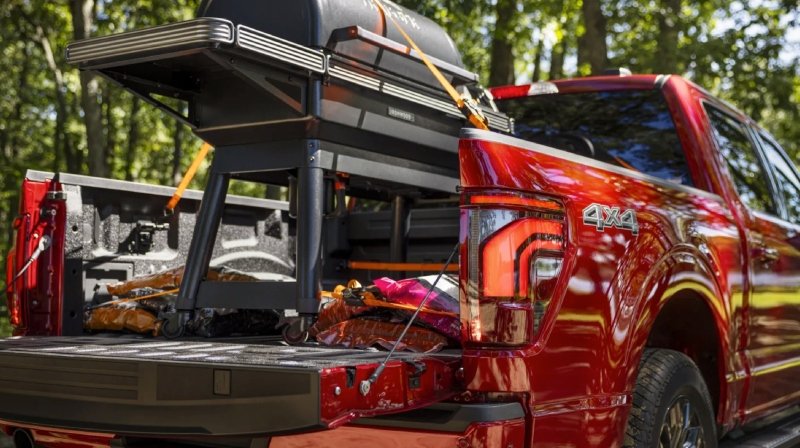
For truck buyers, understanding payload capacity is essential—especially when considering a rugged and capable model like the Ford F‑150. Whether you’re hauling equipment for work, loading up gear for a weekend project, or simply need dependable performance every day, knowing how much weight your truck can carry safely makes all the difference. If you’re exploring options like the F150 for Sale at your local dealer, understanding payload capacity empowers you to choose the right configuration for your needs. In this article, we’ll explain what payload capacity is, how it’s measured in the F‑150 lineup, and why it matters for real‑world use.
What Is Payload Capacity?
Payload capacity refers to the total weight a truck can safely carry inside the vehicle and in the bed—after accounting for passengers, equipment, cargo, and fluids like fuel. It’s different from towing capacity, which measures how much weight a truck can pull behind it. Payload is all about what you can put on or in the truck itself.
For example, if your F‑150 has a payload capacity of 1,800 pounds, that means the combined weight of passengers, tools, supplies, and accessories must not exceed that number. Staying within payload limits is crucial for safety and performance, including braking, handling, and suspension wear.
Why Payload Capacity Matters
Understanding payload is important for several reasons. First, exceeding the payload limit can compromise safety. Trucks are engineered with specific structural and suspension limits, and overloading can strain components, increase stopping distances, and lead to uneven tire wear.
Second, payload capacity influences which truck configuration you choose. Different cab styles, bed lengths, engine options, and drivetrain packages affect payload ratings, so buyers need to match the truck to their real‑world needs—whether that’s carrying a crew and tools or maximizing cargo capacity for materials.
Lastly, payload impacts fuel efficiency and long‑term durability. A truck that regularly carries heavy loads benefits from having a higher payload rating, reducing stress on the chassis and drivetrain over time.
How Payload Is Calculated
Payload capacity isn’t a random number—it’s calculated by subtracting the vehicle’s curb weight from its Gross Vehicle Weight Rating (GVWR). Curb weight is the weight of the truck as it sits with all standard equipment and a full tank of fuel but without passengers or cargo. GVWR is the maximum permissible weight of the truck with people, cargo, and accessories.
For example:
- If an F‑150’s GVWR is 7,000 pounds
• And the curb weight is 5,400 pounds
• The payload capacity would be 1,600 pounds
This calculation becomes critical when adding optional equipment like heavier wheels, bed covers, or aftermarket accessories, which can decrease payload capacity by increasing the truck’s base weight.
Factors That Influence Payload Capacity
Payload capacity isn’t the same across all F‑150 models. Several factors influence how much weight each truck can carry:
Engine and Drivetrain: Larger engines and 4×4 systems add weight, which can reduce payload capacity. Smaller engines and rear‑wheel configurations often offer higher payload figures.
Cab Style: F‑150s are available in Regular Cab, SuperCab, and SuperCrew configurations. Regular Cabs typically have higher payload capacity due to lower overall vehicle weight.
Bed Length: A shorter bed and smaller wheelbase usually result in less weight, which can increase payload capacity compared to a long bed setup.
Suspension Package: Heavy‑duty suspension options can improve payload performance, helping the truck carry more weight comfortably and safely.
Towing Package and Axle Ratio: Certain axle ratios and heavy‑duty packages can affect the payload rating. Always consult the specific configuration’s specifications to get the exact number.
Typical F‑150 Payload Figures
Payload capacity varies significantly depending on configuration. For example, some base models with Regular Cab and a smaller engine can exceed 2,000 pounds of payload capacity—making them ideal for heavy‑duty work. SuperCrew models with larger engines and 4×4 may have lower payload figures, often ranging between 1,400 and 1,800 pounds.
Understanding this range helps buyers choose the right balance of features and capability. If you regularly haul heavy loads, opting for a configuration that prioritizes payload over creature comforts may be the best choice.
Payload vs. Towing: What’s the Difference?
It’s common for truck buyers to confuse payload capacity and towing capacity, but they serve different purposes:
Payload Capacity: Refers to weight carried inside or on the truck (passengers, cargo, tools).
Towing Capacity: Refers to weight pulled behind the truck (trailers, boats, campers).
While both are important, they are not interchangeable. A truck with excellent towing capacity may have a lower payload rating due to the way weight is distributed and how the vehicle is engineered.
For example, an F‑150 equipped with a powerful V8 and heavy‑duty tow package may tow more weight but carry less payload than a lighter‑equipped model. This is why buyers need to prioritize which capability matters most for their day‑to‑day use.
Real‑World Payload Considerations
In real‑world scenarios, payload includes more than just the obvious cargo. It encompasses:
- Passengers
• Tools and equipment
• Bed accessories (toolboxes, racks)
• Fuel and fluids
• Aftermarket add‑ons
Because of this, it’s important to estimate total weight before loading up the truck. For instance, a full crew of passengers can easily weigh 700–800 pounds, leaving much less room for cargo before reaching the payload limit.
Truck owners who frequently carry heavy gear or tools should consider configurations with higher payload ratings or explore payload‑enhancing options such as upgraded suspension packages.
Safety Tips for Handling Payload
Safe payload management is essential. Here are a few practical tips:
Know Your Numbers: Always check your truck’s specific payload rating rather than assuming it’s the same across all models.
Use a Scale: Weigh your truck with passengers and gear using a public scale to determine how much cargo weight remains before hitting the limit.
Distribute Weight Evenly: Proper load distribution helps maintain stability and handling. Heavy items should be placed low and centered whenever possible.
Monitor Tire Pressure: Payload affects tire load capacity, so maintaining correct tire pressure is critical for safety and performance.
Avoid Overloading: Never exceed the published payload capacity. Doing so can compromise braking, handling, and suspension integrity.
How Accessories Affect Payload
Accessories like bed liners, toolboxes, tonneau covers, and aftermarket bumpers can add significant weight to your F‑150. While these upgrades improve function or aesthetics, they also subtract from your payload capacity.
For example, a full‑size toolbox can weigh several hundred pounds, reducing the amount of cargo you can safely carry. When planning your truck setup, consider total accessory weight and factor it into your payload calculations.
If maximizing payload is a priority, look for lightweight accessory options or adjust your configuration accordingly.
Payload and Work Truck Productivity
For people who use their F‑150 as a work vehicle, payload capacity directly affects productivity. Contractors, landscapers, and delivery professionals rely on maximum payload to transport tools, materials, and equipment efficiently.
A higher payload rating means fewer trips back and forth between jobsites. It also allows crews to load up more gear confidently without risking vehicle strain.
Matching your truck configuration to your specific work needs—from engine selection to bed setup—ensures you get the most out of your investment and maintain productivity on the job.
Choosing the Right F‑150 for Your Needs
Selecting the right F‑150 configuration means balancing performance, comfort, and payload capacity. If you frequently carry heavy loads, prioritizing payload ratings may outweigh options like larger cabs or advanced infotainment packages.
Begin by listing your primary needs:
• How much weight will you regularly transport?
Will you need to tow?
How many passengers will ride regularly?
Do you plan to add aftermarket accessories?
Once you know your priorities, compare configurations and payload ratings to find the truck that fits your lifestyle and work demands.
Conclusion
Payload capacity is a key factor that defines the real‑world usefulness of a Ford F‑150. Unlike towing capacity, which measures what your truck can pull, payload capacity determines what it can carry within and on the vehicle itself. Knowing your truck’s payload limits ensures safe operation, reliable performance, and proper weight distribution for both work and daily use.
Whether your priority is hauling heavy equipment, transporting gear for outdoor adventures, or simply managing everyday loads, understanding payload capacity helps you make an informed decision. By choosing the right F‑150 configuration and paying attention to safe loading practices, you’ll enjoy the legendary capability and versatility that have made this truck a top choice among drivers for decades. At Disquantified.com, we believe that true creativity starts with the heart. And when shared with purpose, it can leave a lasting mark.